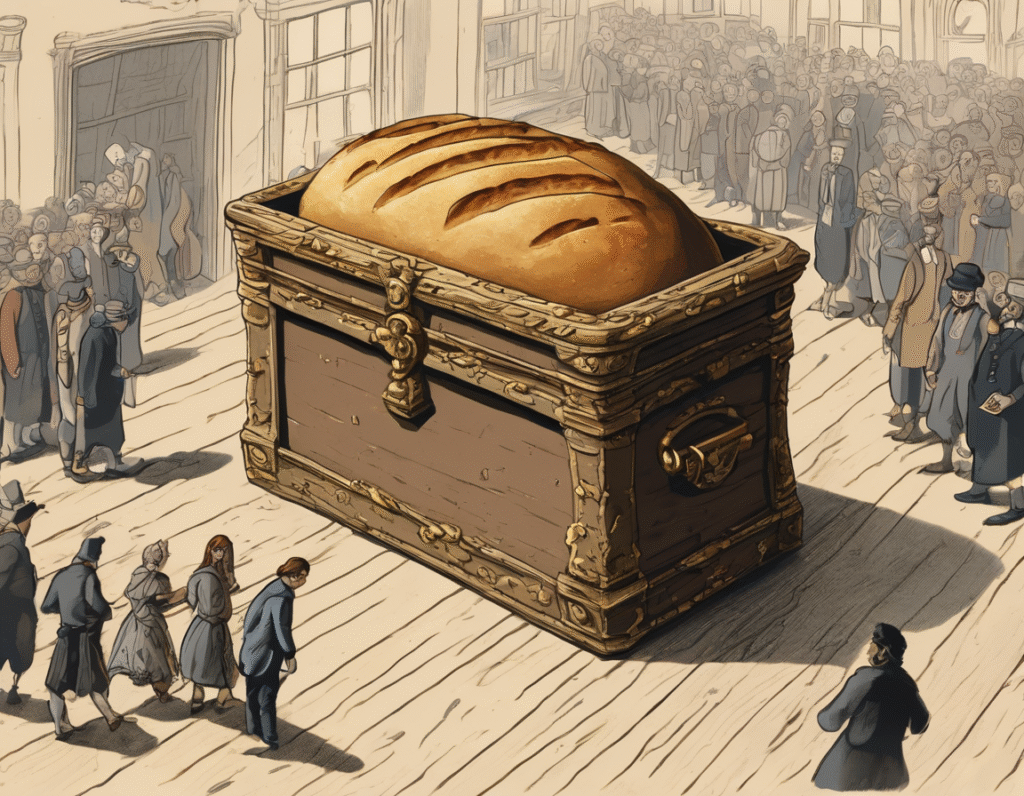
Token burns are a popular topic in crypto, but their effect on price is far from guaranteed. The common belief is simple: reduce the supply of an asset, and if demand stays the same, the price should go up. While this basic economic principle holds true, the real-world impact of a token burn is entirely dependent on the context in which it occurs. For a burn to successfully drive price appreciation, three key elements must align: genuine demand, real utility, and transparent execution. First and foremost, demand is the critical engine. A token burn is essentially a supply-side event. If there is no corresponding demand for the asset, reducing the supply will have little to no positive effect on its price. It is like taking a few slices of bread from a full loaf that nobody wants to buy; the loaf is slightly smaller, but its market value remains negligible. The burn must occur in an environment where people are actively interested in buying and holding the token. Without this underlying demand, the act of burning tokens is a purely symbolic gesture that may generate short-term hype but fails to produce lasting value. The second crucial factor is utility. A token needs to have a clear and valuable purpose within its ecosystem. When a token is integral to a platform’s function, such as being used for paying transaction fees, participating in governance, or accessing specific services, it has inherent utility. In such cases, a burn mechanism can enhance this value proposition. It can act as a form of dividend or value redistribution to holders, making the asset more attractive to long-term investors. However, if a token lacks a fundamental use case, a burn does not create utility out of thin air. It may temporarily attract speculators, but the price increase is often unsustainable without a solid foundation of what the token actually does. Transparency forms the third pillar of an effective token burn. The process must be verifiable and trustworthy. The crypto community needs to see proof that the tokens have been sent to a verifiable burn address, a wallet from which they can never be recovered. When a project is opaque about its burning process or the mechanics seem manipulative, it erodes investor confidence. A transparent, scheduled, and proven burn builds trust and reinforces the project’s commitment to its tokenomics. A lack of transparency, conversely, can lead to skepticism and even have a negative impact on price, as investors question the motives behind the action. Looking at specific examples helps illustrate these principles. The Shiba Inu token, SHIB, has executed massive burns. While these events often cause a short-term price spike driven by social media excitement and retail trader enthusiasm, the rallies have frequently proven temporary. This pattern highlights the limitation of burns when they are the primary news driver, rather than being supported by a significant expansion in the token’s utility or a sustained increase in fundamental demand. The price action is often more reflective of market sentiment and hype than a fundamental recalibration of value. In contrast, the Binance Coin, BNB, provides a model of a more effective burn. BNB has a clear and consistent utility across the entire Binance ecosystem, most notably for paying trading fees at a discount. Its quarterly burn is a scheduled, transparent event that is directly tied to the exchange’s profitability. Because the burn reduces supply while demand for the token remains strong due to its numerous use cases, it has historically contributed to a long-term upward trend in price. The burn works for BNB because it is one component of a larger, functional economy, not the sole reason for the token’s existence. Ultimately, a token burn is a tool, not a magic wand. It cannot create value where none exists. For a supply reduction to translate into meaningful and lasting price appreciation, it must be backed by a thriving ecosystem that generates real demand, a token with undeniable utility, and a transparent process that fosters trust. When these conditions are met, a burn can be a powerful mechanism for rewarding holders and supporting price stability. When they are absent, it is often little more than a marketing gimmick with fleeting consequences.