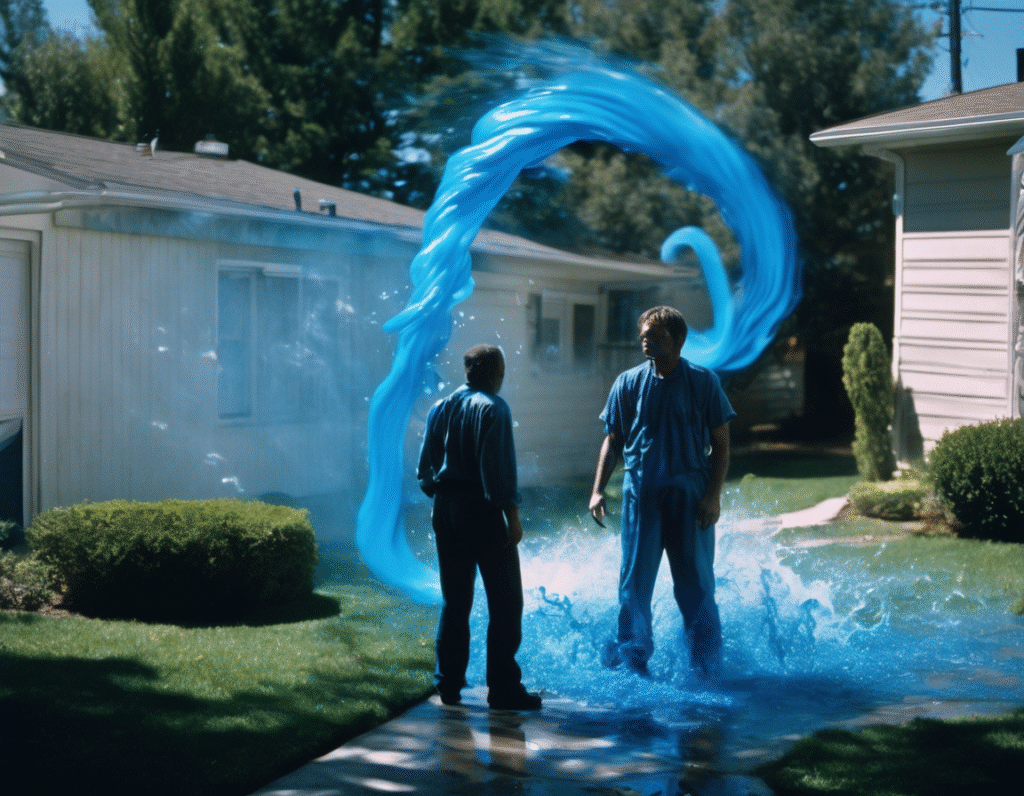
The AI Video Uncanny Valley Has Arrived With Cursed Gender Reveals The AI video revolution is here, and its first cultural export is a parade of the bizarre. OpenAI’s new Sora model, which generates hyper-realistic video clips from simple text prompts, is officially out in the wild. And users have almost immediately bypassed any pretense of artistic or commercial application to create what can only be described as cursed gender reveal videos. For the uninitiated, a typical gender reveal involves pink or blue colored smoke, cake filling, or confetti. Sora users, however, are operating on a different plane of existence. The generated videos depict scenes that are surreal, slightly off, and often deeply unsettling. Imagine a gender reveal where a man, with a smile that does not quite reach his eyes, is inexplicably hosed down with a torrent of blue liquid until he vanishes into a swirling vortex of abstract color. Or a clip where a woman in a stark white room is suddenly consumed by a violent, pink-tinted explosion of light and matter. This is the new frontier of AI content creation. The technology is undeniably powerful, producing videos with a coherence and visual fidelity that previous models could not achieve. But it is also imperfect, creating an uncanny valley effect where the realism is just good enough to make the underlying strangeness profoundly jarring. The physics are often wrong, the human expressions are vacant, and the narratives feel like snippets from an alien dream. For the crypto and Web3 community, this rapid development is a familiar spectacle. It mirrors the explosive, often chaotic, adoption cycles seen with new blockchain protocols and NFTs. A powerful new tool emerges, and the first wave of usage is rarely the one its creators envisioned. It is a public, real-time stress test of both the technology’s capabilities and its potential for misuse. The phenomenon raises immediate and critical questions about digital provenance and authenticity. In a world where any person can generate a convincing video of anything they can describe, how do we verify what is real? This is not a future problem. It is happening now. The answer may lie in the very technologies the crypto space has been building. Decentralized identity solutions, on-chain timestamping, and immutable ledgers for media attribution are no longer theoretical niceties. They are becoming essential infrastructure for a world saturated with synthetic media. These cursed gender reveals are more than just internet weirdness. They are a stark, early warning of the coming disinformation crisis. The ease of creating such convincing footage means that generating evidence for false narratives or creating fraudulent content will soon be accessible to anyone. The line between reality and AI fabrication is blurring faster than most people realize. The chaotic debut of Sora video generation is a microcosm of a broader technological shift. It showcases breathtaking potential while simultaneously highlighting a pressing need for the verification and trust layers that Web3 promises. As AI continues to generate not just images and text, but our very perception of reality, the tools to anchor that reality in truth will become the most valuable assets of all. The race is on to build them.