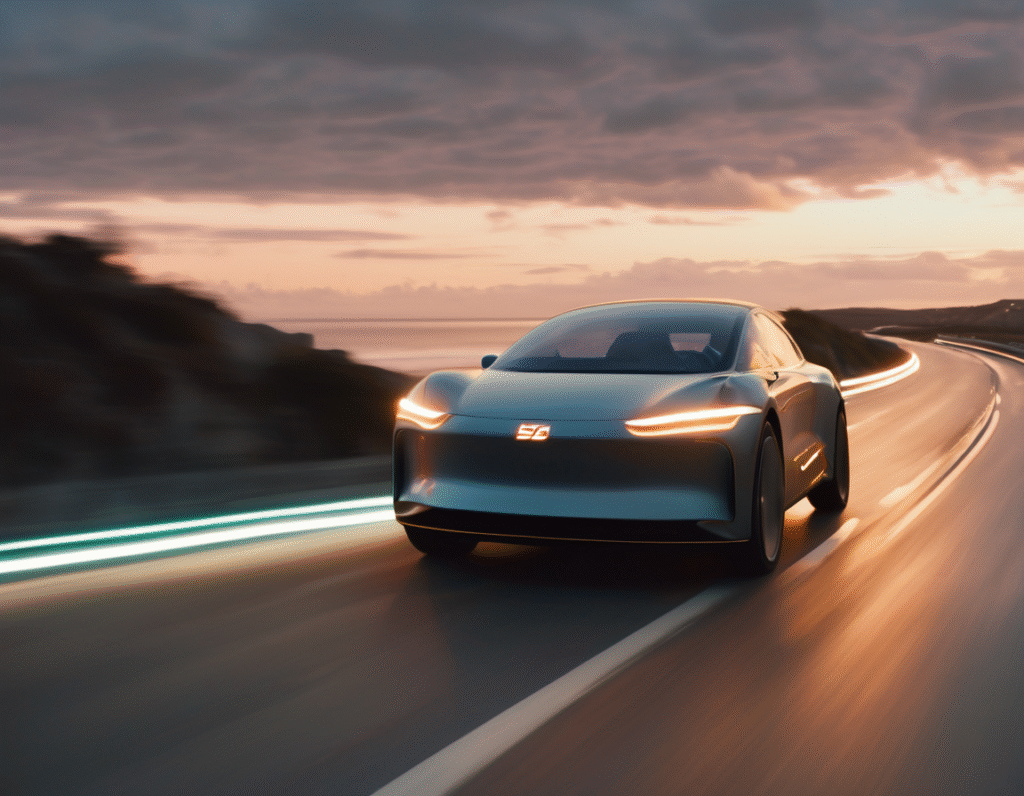
In an era where artificial intelligence seems to dominate every creative conversation, a surprising move from an iconic brand has sparked a notable public reaction. Porsche recently released a new advertisement for the Taycan, and the defining characteristic, celebrated widely online, is that it was created entirely by human hands and minds, without the use of generative AI. The ad itself is a sleek, cinematic piece focusing on the physical experience and emotional resonance of driving. It features dynamic shots of the electric vehicle, highlighting design and performance through traditional filmmaking techniques. The campaign’s central tagline, “Electricity has a sound,” emphasizes sensory, human-tested experience over algorithmic generation. The public and professional response has been strikingly positive. Across social media platforms, viewers have expressed a palpable sense of relief and appreciation. Comments frequently praise the ad’s authenticity, its artistic craftsmanship, and the clear human touch in its execution. Many note that it feels more genuine and emotionally engaging than the often sterile or uncanny output of AI video generators. This reaction points to a growing undercurrent of fatigue with AI-saturated content and a renewed valuation for human-led creativity. This moment is significant within the broader crypto and Web3 narrative, which fundamentally centers on human agency, provenance, and authentic creation. The Web3 ethos champions the creator, verifiable ownership, and the intrinsic value of human artistry—concepts often at odds with the opaque, data-scraping nature of many AI models. Porsche’s decision, whether intentional or not, taps directly into this philosophy. It serves as a high-profile case study that authentic human creativity still holds immense market and cultural value, a core principle for artists and builders in the decentralized space. The enthusiastic reception is a market signal. It suggests that in a world filling with automated content, the scarcity and premium will shift back to verifiably human-made work. This has direct implications for creators in digital art, music, and media. It reinforces the importance of platforms and mechanisms, like those being built on blockchain, that can certify the human origin and ownership of creative works, allowing that authenticity to be recognized and valued accordingly. Porsche’s ad does not mean AI has no role in the creative toolkit. However, it highlights a critical distinction: AI as a tool for human artists versus AI as a replacement for the creative process. The public’s celebration indicates a desire for the latter to remain firmly in the human domain. For the crypto community, this is a familiar and validating stance. It underscores the importance of building systems that protect and empower human creators, ensuring that as technology evolves, the value of authentic human experience and artistry is not just preserved but enhanced. In the end, this is more than just about a car commercial. It is a reminder that the most powerful brand statements are often those made not by machines, but by us.