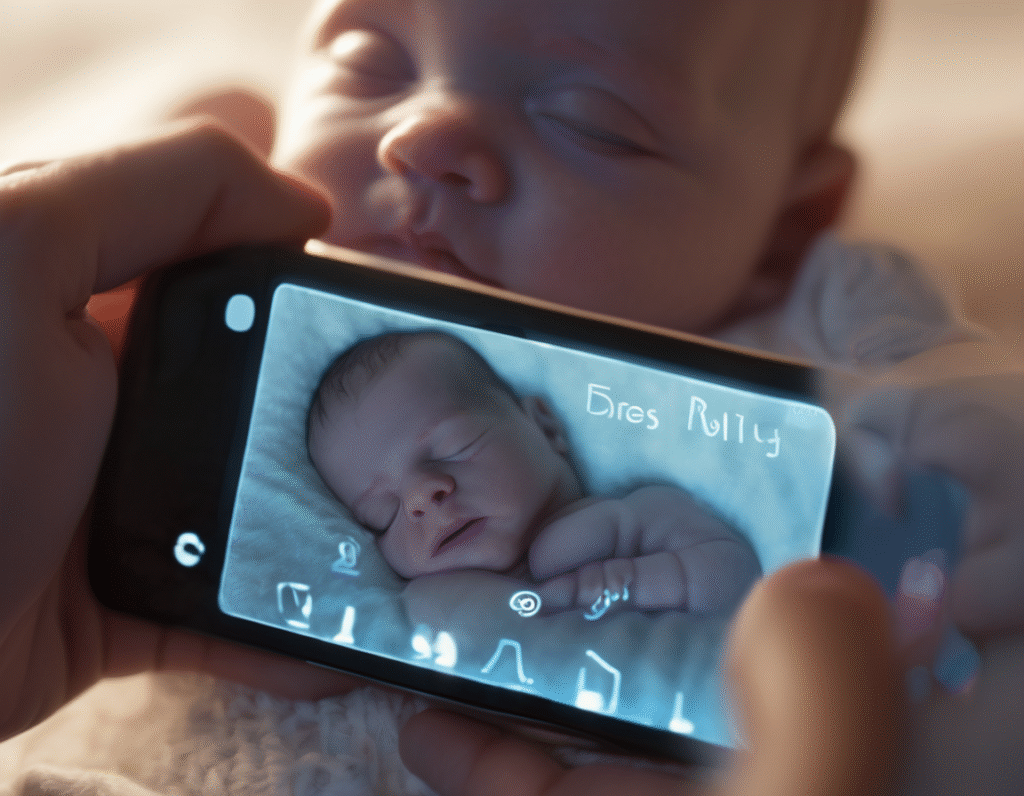
A New Kind of Digital Legacy: Parents Let AI Name Their Child In a decision that has ignited a fierce debate across social media, a couple has revealed they allowed OpenAI’s ChatGPT to name their newborn baby. The parents, who shared their story online, explained they turned to the artificial intelligence chatbot after struggling to agree on a name themselves. They fed the AI parameters including desired meanings, cultural origins, and a preference for uniqueness. After a series of prompts and refinements, ChatGPT suggested the name. The parents, reportedly satisfied with its sound and significance, made it official. The exact name chosen has not been publicly disclosed to protect the child’s privacy, but the mere act of using an algorithm for such a deeply personal, lifelong decision has drawn widespread criticism and mockery. Online reactions have been largely negative, with many commenters calling the move lazy, dystopian, and a gross abdication of human responsibility. Critics argue that naming a child is a core human ritual, laden with emotional and familial significance that an AI, which operates on patterns and data without genuine understanding, cannot possibly comprehend. They express concern for the child’s future, imagining a lifetime of explaining that their name was generated by the same technology used to write essays and code. Others, however, see it as a harmless, if unconventional, tool for inspiration, no different than scrolling through baby name websites or books. A smaller contingent views it as a symbolic, forward-looking gesture, embracing the reality that AI will be an integral part of their child’s generation. They frame it as a modern digital legacy. This incident touches on a broader cultural anxiety about the role of AI in intimate human affairs. It raises questions about where we draw the line between using technology as an assistant and allowing it to make fundamental choices for us. The story resonates in the crypto and Web3 space, where discussions about digital identity, on-chain legacies, and human agency versus algorithmic determinism are constant. The child’s name, in this context, becomes a permanent, off-chain record of early human-AI collaboration. While the parents likely viewed ChatGPT as a sophisticated suggestion engine, the public backlash highlights a deep-seated fear of ceding too much authority to opaque systems. The ethical considerations are palpable. Should an AI trained on vast datasets that may contain societal biases be involved in such a personal choice? What are the implications for the child’s autonomy and sense of self? As artificial intelligence becomes more embedded in daily life, this story is likely a precursor to more complex dilemmas at the intersection of human tradition and machine intelligence. Whether seen as a cautionary tale or a bold experiment, it underscores that our relationship with AI is moving beyond tasks and into the deeply personal realm of identity and legacy. The child, bearing an AI-suggested name, will literally embody that tension for a lifetime.