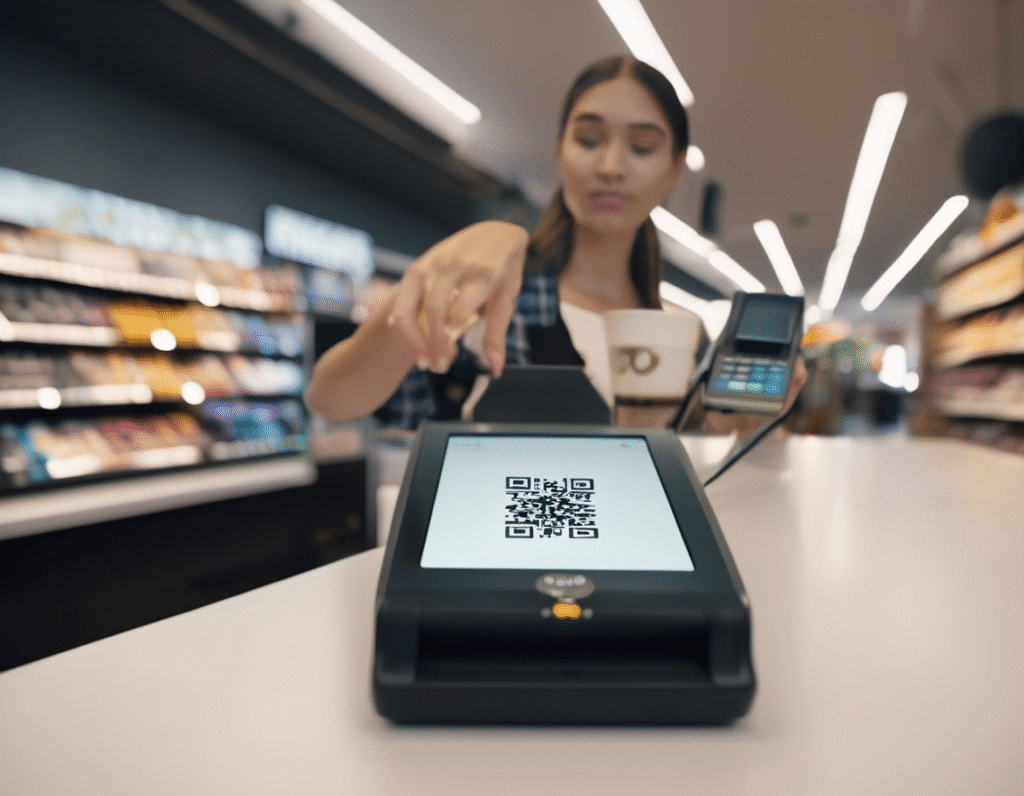
Ingenico Tests Stablecoin Payments in Physical Stores with WalletConnect Integration In a significant move for cryptocurrency adoption in everyday spending, payment terminal giant Ingenico has begun testing direct stablecoin payments at physical checkout counters. The pilot program leverages an integration with WalletConnect Pay, aiming to determine if digital currencies can serve as a viable and practical alternative to traditional card networks for routine purchases. The collaboration focuses on using WalletConnect’s technology to bridge the gap between a customer’s crypto wallet and the merchant’s point-of-sale system. At checkout, a customer would scan a QR code generated by the Ingenico terminal using their smartphone’s crypto wallet app. This connection, facilitated by WalletConnect Pay, allows for the secure transfer of stablecoins to settle the transaction instantly. This test represents a strategic step by a major player in the traditional payments industry to explore digital currency infrastructure. Ingenico, whose terminals are ubiquitous in retail stores globally, is directly assessing the real-world usability of stablecoins for commerce. The core question is whether this method can match or exceed the convenience and speed of existing options like credit cards or mobile contactless payments. Stablecoins, which are cryptocurrencies pegged to stable assets like the US dollar, are seen as a crucial entry point for such experiments. Their lack of extreme price volatility makes them more suitable for daily transactions compared to more speculative assets like Bitcoin or Ethereum, as both merchants and consumers can rely on a predictable value from the time of purchase to the time of settlement. The potential advantages for merchants are a key part of the investigation. Proponents argue that accepting stablecoins could reduce payment processing fees significantly by bypassing intermediary card networks and their associated costs. Additionally, transactions settled on a blockchain are final and can clear in seconds, potentially reducing chargeback risks and improving cash flow compared to the traditional system where funds can take days to fully settle. For consumers, the appeal lies in using their existing digital asset holdings directly for goods and services without needing to convert to fiat currency through an exchange first. It also offers an alternative payment rail that is inherently digital and can be integrated seamlessly into the wallet apps they already use for managing crypto assets. However, the path to mainstream adoption faces considerable hurdles. User experience must be flawless to compete with the tap-and-go simplicity of current contactless cards and phones. The process of opening a crypto wallet, ensuring it holds sufficient stablecoins, and scanning a QR code must be as intuitive as existing methods to gain widespread consumer acceptance. Regulatory clarity remains a major backdrop for all such initiatives. The legal status of stablecoins, consumer protection rules, and anti-money laundering compliance for point-of-sale transactions are still evolving in most jurisdictions. Any large-scale rollout would require close cooperation with regulators. Market volatility, though minimized with stablecoins, also presents a perception challenge. Consumers and merchants unfamiliar with digital assets may still be hesitant. Furthermore, the energy consumption and transaction costs of the underlying blockchain networks during peak times could impact practicality. The Ingenico and WalletConnect pilot is part of a broader trend of traditional finance and payments infrastructure gradually engaging with digital currency. It moves the conversation beyond speculative trading and into the tangible realm of buying a coffee or a pair of shoes. The success of this test will be measured not just by technical functionality, but by whether it can demonstrate a compelling enough advantage in cost, speed, or convenience to disrupt entrenched payment habits. The outcome will provide valuable data on whether blockchain-based payments can find a sustainable niche at the physical point of sale, marking a potential milestone in merging the worlds of digital assets and everyday commerce.