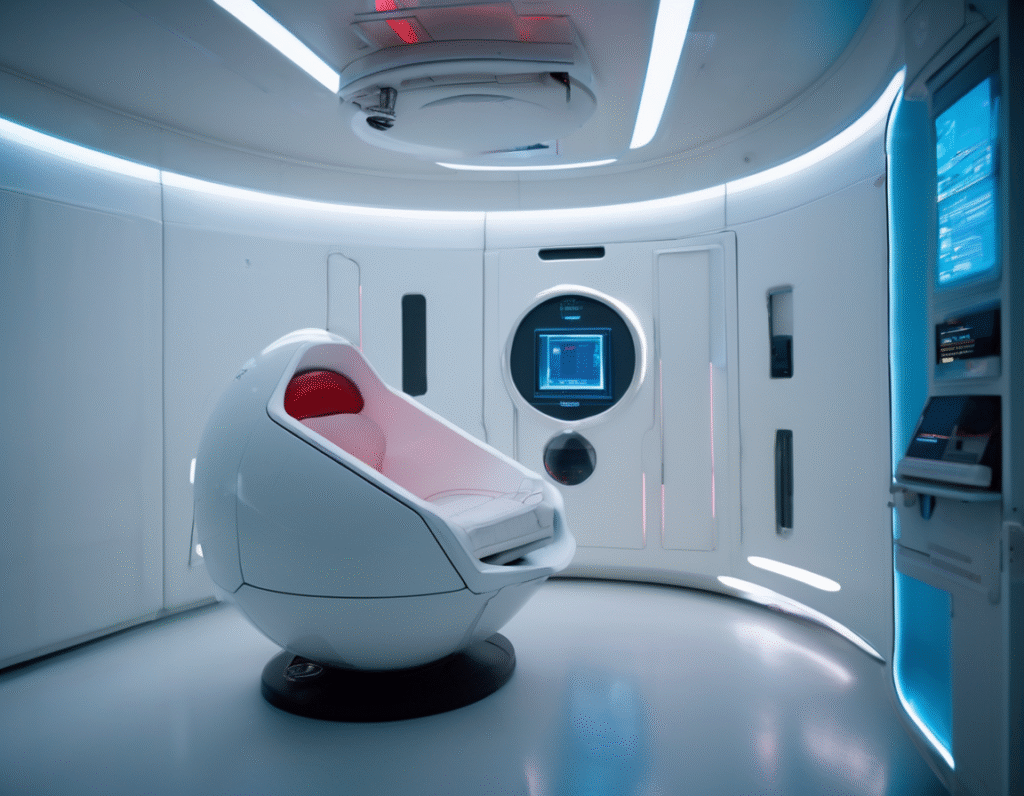
Inventor Develops AI-Integrated End-of-Life Device A controversial inventor has unveiled a prototype for a pod designed to facilitate assisted dying, integrating artificial intelligence into the process. The device, described as a pressurized chamber, is intended to provide what its creator terms a humane and peaceful exit. The core of the system involves an AI interface. According to the inventor, the AI conducts a series of interactive sessions with the individual prior to the procedure. The stated purpose of these dialogues is to establish mental capacity, confirm consent, and ensure the user is making a voluntary and informed decision. The AI would reportedly ask a set of questions, and only upon satisfactory answers would the process be enabled. The final step involves the chamber filling with nitrogen, inducing hypoxia, which leads to loss of consciousness and, ultimately, death. The inventor argues that this technology offers a solution for individuals suffering from terminal illnesses or unbearable pain, providing a dignified alternative that is not dependent on the legal status of assisted dying in their home country. He frames it as an extension of personal autonomy, comparing the right to end one’s life to other fundamental freedoms. However, the project has ignited a firestorm of ethical and legal concerns. Critics from medical, ethical, and legal fields have raised profound objections. A primary concern is the adequacy of an AI in assessing complex human states like mental competence, existential suffering, or coercion. Experts question whether any algorithm can truly understand nuanced human emotions or detect subtle pressures that might influence a person’s decision. Furthermore, the specter of misuse is a significant worry. Critics fear the potential for abuse if such a device becomes easily accessible, particularly for vulnerable individuals experiencing temporary suicidal crises, depression, or those facing external pressure from family or economic circumstances. The absence of direct, in-person evaluation by multiple independent medical professionals, a standard in jurisdictions with legal assisted dying, is seen as a dangerous omission. Legally, the project exists in a gray area. While the inventor suggests operating within a legal framework by potentially basing the device in a permissive jurisdiction and offering it as a service, many legal experts anticipate severe challenges. Transporting or using such a device would likely conflict with laws concerning assisted suicide, medical devices, and public safety in most nations. The development has also sparked broader debates about the role of technology in life’s most intimate moments. Supporters view it as a logical application of technology to alleviate suffering and uphold personal choice. Detractors see it as a deeply troubling mechanization of death, arguing that it dehumanizes a profoundly significant human experience and could normalize suicide as a technical solution to suffering. The device remains a prototype, and significant technical, legal, and regulatory hurdles stand before it could ever be operational. Nevertheless, its mere conception forces a stark conversation about the frontiers of biotechnology, the limits of personal autonomy, and the ethical boundaries of applying artificial intelligence to matters of life and death.