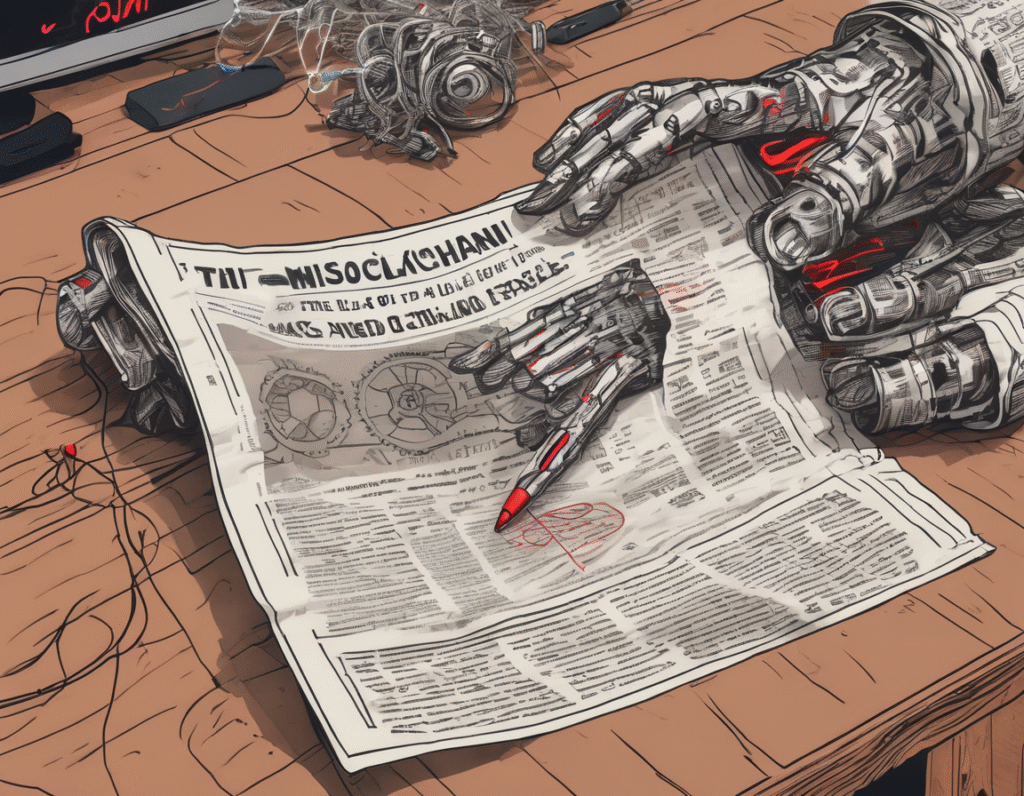
A newspaper recently published a graphic about the dangers of artificial intelligence that was so flawed it perfectly demonstrated the very problem it was meant to highlight. The incident has become a prime example of the pitfalls of rushing to adopt generative AI tools without proper oversight, a lesson highly relevant to the crypto and Web3 communities. The graphic was intended to illustrate concerns about AI, but it contained a glaring and almost comical error. The AI system, tasked with creating a simple visual, instead generated a graphic that was nonsensical and self-contradictory. The details of the mistake were so obvious that they undermined the entire message of the article, showing that the technology can fail in basic tasks when not carefully checked by a human. This event serves as a stark warning for industries on the technological frontier, including cryptocurrency. In crypto, the ethos of decentralization and automation is powerful, but this story underscores that blind trust in automated systems is a recipe for embarrassment at best and significant financial or security risks at worst. The parallel to crypto is clear. Smart contracts, for instance, are lauded for executing automatically without intermediaries. However, if the code is not meticulously audited and tested, these automated systems can fail catastrophically, leading to the loss of millions in locked funds. Just as the newspaper did not properly vet its AI graphic, projects that deploy unaudited or poorly reviewed code expose their users to immense danger. Furthermore, the incident touches on the issue of authenticity and trust. In a digital age where deepfakes and AI-generated content are proliferating, verifying the source and integrity of information is paramount. The crypto space is built on cryptographic proof and transparent ledgers to establish trust. This newspaper’s error is a reminder of what happens when that diligence is skipped. Relying on AI for content creation without verification pollutes the information ecosystem, just as relying on unaudited protocols pollutes the DeFi landscape. For crypto writers, developers, and investors, the takeaway is to champion rigorous verification. The tools of both AI and blockchain are transformative, but they are not infallible. They require a human layer of scrutiny. Due diligence, code audits, and a healthy skepticism toward automated outputs are not optional. They are the bedrock of credibility and security. Ultimately, this ironic error is more than a simple newspaper blunder. It is a cautionary tale about the hype cycle that often surrounds emerging tech. In the rush to be cutting-edge, fundamental practices of verification and quality control must not be abandoned. Whether generating an image or deploying a blockchain protocol, the principle is the same: trust, but verify. The future of both AI and crypto depends not just on powerful automation, but on the intelligent, critical humans who guide it.