
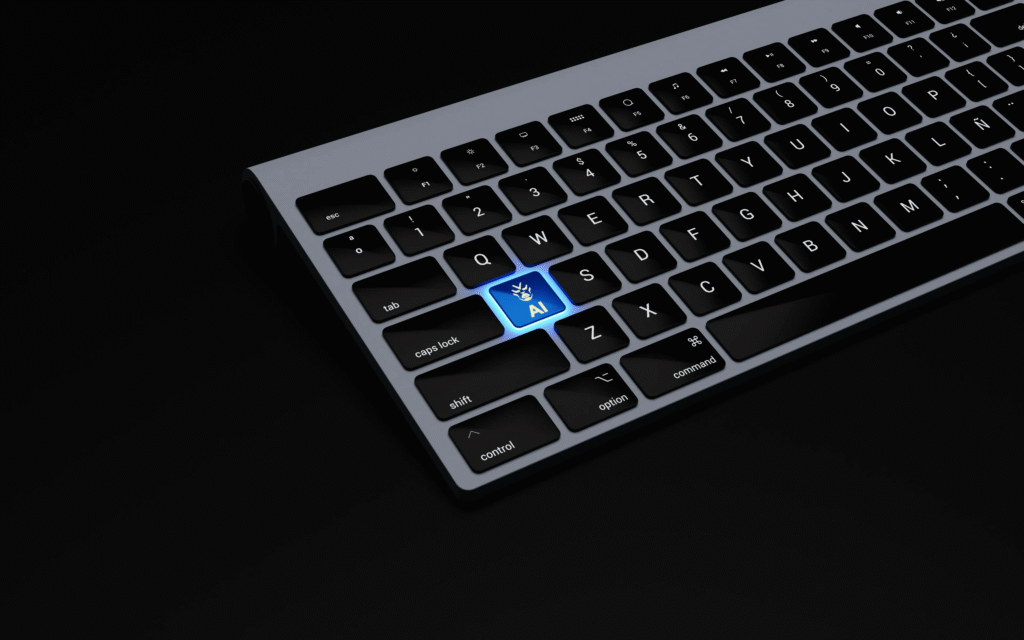
The artificial intelligence industry is undergoing a major transformation. After years of headlines about ever-larger language models and billion-dollar compute investments, 2026 is shaping up to be the year AI gets down to business.
Experts say the era of simply scaling up models is fading. Researchers are now focusing on new architectures, smaller and more efficient models, and systems that actually work in real-world scenarios. The flashy demos are giving way to deployments that solve genuine problems.
Key trends driving this shift include:
Smaller, smarter models: Rather than massive general-purpose AI, companies are building specialized models fine-tuned for specific industries and tasks. These smaller models are cheaper to run and often more accurate for their intended purposes.
World models: From Google’s Genie 3 to startups like World Labs, researchers are building AI that can generate realistic virtual environments. This opens doors for gaming, robotics, and simulation.
Physical AI: Intelligence is moving beyond data centers into devices, robots, and physical systems that interact with the real world.
Reliable agents: The dream of autonomous AI agents is becoming reality, with systems that can actually augment how people work rather than just promising to do so.
Amazon’s recent restructuring illustrates this trend. The company is cutting traditional tech roles while hiring AI specialists, betting that an AI-first approach will reshape retail.
The message is clear: the AI hype cycle is maturing. Companies that deliver practical, usable AI will thrive, while those chasing headlines may be left behind.