
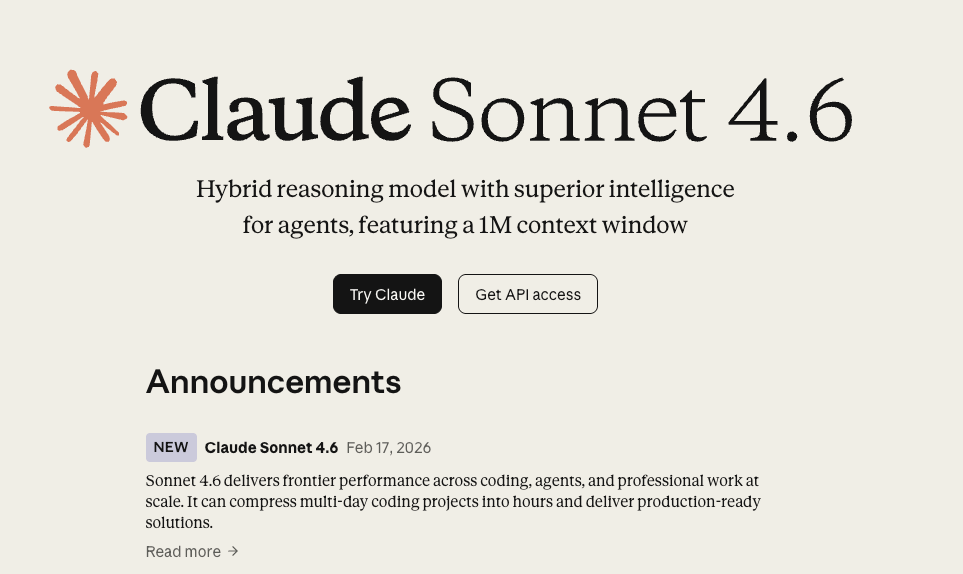
Anthropic has unveiled Claude Sonnet 4.6, a significant update to its AI model lineup that positions the new version as the default offering for enterprise customers while delivering enhanced capabilities at substantially reduced costs. The release emphasizes improved software development workflows and advanced computer use functionality that enables the model to interact with external tools and follow complex multi-step instructions.
The strategic shift toward doing more for less pricing represents a fundamental recalibration of how frontier AI models are priced and delivered to enterprise customers. By maintaining competitive performance while reducing effective costs, Anthropic aims to enable broader enterprise adoption without requiring organizations to sacrifice the quality and capability they have come to expect from leading AI models.
For the broader technology industry, these pricing and capability dynamics accelerate enterprise adoption by allowing organizations to standardize on models offering optimal blends of latency, reliability, and predictable billing. The ability to deploy powerful AI capabilities at lower cost democratizes access to frontier AI technology.
The computer use functionality represents perhaps the most notable technical advancement in Claude Sonnet 4.6, enabling models to operate more like true digital assistants that can follow multi-step instructions and interact with external tools and APIs. This capability fundamentally changes the relationship between humans and AI systems.
Anthropic's default model strategy increasingly determines developer mindshare across the technology industry, with the company positioning Sonnet 4.6 as the new standard for Pro and Team users.
Claude Sonnet 4.6's improved coding capabilities address one of the most practical and high-value use cases for enterprise AI deployment. By enhancing the model's ability to understand and generate code, debug existing implementations, and assist with software development workflows, Anthropic delivers tangible productivity improvements.
The release demonstrates the rapid commoditization occurring in frontier AI, where performance improvements increasingly come alongside cost reductions rather than requiring premium pricing for access to cutting-edge capabilities. This dynamic benefits enterprise customers seeking to implement AI at scale.