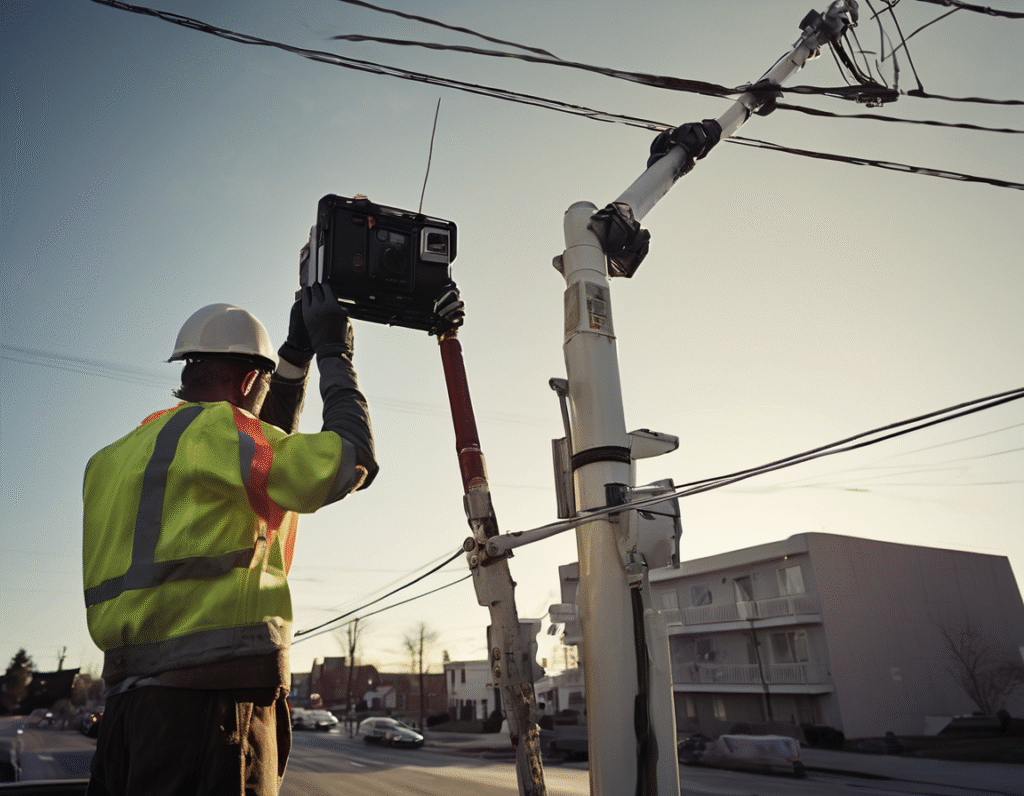
A Quiet Revolution in City Surveillance A significant shift is underway in how cities across the United States are deploying surveillance technology. After a period of rapid adoption, numerous municipalities are now canceling their contracts with Flock Safety, a prominent company providing automated license plate recognition camera systems powered by artificial intelligence. This reversal marks a critical moment at the intersection of municipal policy, privacy, and emerging technology. Flock’s systems, installed in over 4,000 communities, use AI to scan and log every passing license plate, creating vast, searchable databases of vehicle movements. Law enforcement agencies have championed the technology as a powerful tool for solving crimes, from petty theft to more serious offenses. However, a growing coalition of privacy advocates, civil liberties groups, and concerned citizens has successfully pushed back. The core of their argument centers on the creation of permanent, searchable records of daily life. They contend that tracking every vehicle’s movement constitutes a form of mass surveillance, chilling free movement and assembly without sufficient cause. Critics argue these systems lack robust oversight and clear data retention policies, posing risks of misuse, such as tracking individuals for reasons unrelated to criminal investigations. The pressure has yielded tangible results. Cities from Portland, Oregon to Springfield, Massachusetts, and from San Jose, California to New Orleans, Louisiana, have recently chosen not to renew their contracts with Flock. In some cases, city councils have voted to let agreements expire. In others, mayors have directly terminated the programs. The reasons cited often include privacy concerns, questions about the technology’s effectiveness, and a desire for more comprehensive public debate and regulation before implementing such invasive tools. This trend represents more than isolated incidents. Advocacy groups like the Electronic Frontier Foundation and local coalitions have been instrumental, providing research and mobilizing public opinion. They highlight that these AI surveillance networks often expand without meaningful public input or clear policies on who can access the data and for what purposes. The fear is a future where movements are tracked by default, eroding anonymity in public spaces. For the law enforcement agencies that rely on these tools, the cancellations are a setback. They argue the systems are efficient force multipliers, automating a task officers once did manually and helping quickly identify vehicles associated with warrants or amber alerts. The loss of this resource, they say, could impact investigative capabilities. The financial model of these systems also faces scrutiny. Flock often offers its hardware for free or at a low cost, with cities paying ongoing subscription fees for data access. This creates a recurring budget line that councils are now reevaluating against other public safety and community needs. The momentum is clearly shifting toward caution. The movement is not necessarily about banning the technology outright but about demanding stringent guardrails, transparency, and democratic accountability before it is deployed. Cities are now seeking stronger data protection laws, strict limits on how long data is stored, and clear audits of system usage. This wave of contract terminations sends a strong message to the surveillance technology industry. It underscores that community trust and ethical considerations are as important as technical capabilities. As one privacy advocate noted, the growing number of cities stepping back shows a rising public awareness and a demand for a more deliberate conversation about the role of pervasive AI monitoring in a free society. The future of smart city technology will likely be shaped by this ongoing tension between security, privacy, and civic oversight.