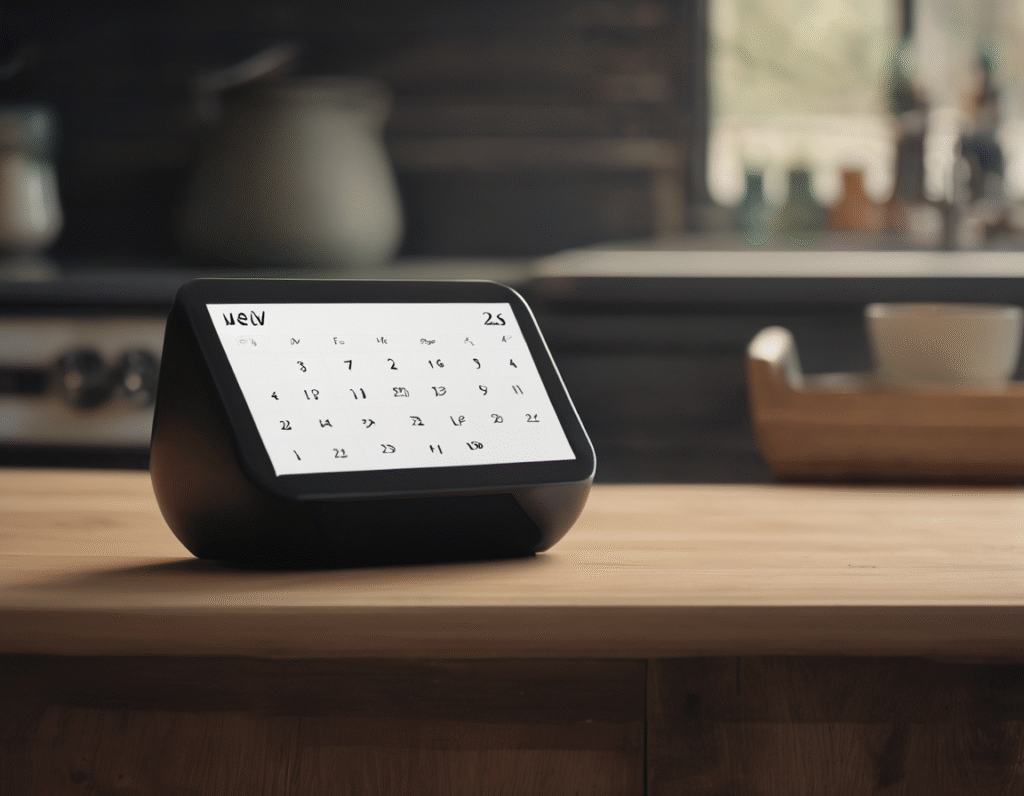
Apple Delays Smart Home Display Launch as AI Overhaul Stalls According to a new report, Apple has pushed back the launch of its long-rumored smart home display. The device, which would combine a screen with HomePod speaker functionality, is now expected to debut in the latter part of 2026, likely aligning with the company’s typical September launch window for new hardware. The delay is attributed not to hardware readiness, as the physical product is said to have been finished for months, but to software. Specifically, Apple’s extensive, AI-driven overhaul of its Siri voice assistant is reportedly not yet complete. This next-generation Siri, a core component of the Apple Intelligence system, is seen as essential for powering the smart display’s user experience and making it competitive in a market with established rivals. The device, internally referred to as J490, has been the subject of consistent leaks and rumors since initial reports surfaced in 2022. Over the years, speculation has repeatedly suggested an imminent announcement, with the latest rumors pointing to a possible reveal this spring. However, the timeline has now shifted, highlighting Apple’s ongoing challenges in executing its artificial intelligence strategy and catching up to industry frontrunners. Apple’s work on a more capable, conversational, and proactive Siri has been underway for well over a year. The new timeline aims to have this revamped assistant ready for the launch of the iPhone 18 Pro, which is also anticipated for September 2026. The company may first preview the new Siri capabilities, potentially including chatbot-like features, during its Worldwide Developers Conference keynote in the summer before the software begins rolling out to devices. This delay underscores the increasing importance of advanced AI in consumer hardware. For Apple, a smart home display is not merely another screen but a central hub intended to be interacted with primarily through voice and intelligent automation. Releasing it without a significantly more powerful Siri could risk a lukewarm reception in a segment where seamless AI integration is now table stakes. The move suggests Apple is prioritizing a fully-baked software experience over rushing a hardware product to market, even as it faces pressure to expand its presence in the smart home ecosystem. The success of this device will likely hinge on whether the delayed AI software delivers the leap in functionality that users and analysts have been anticipating.