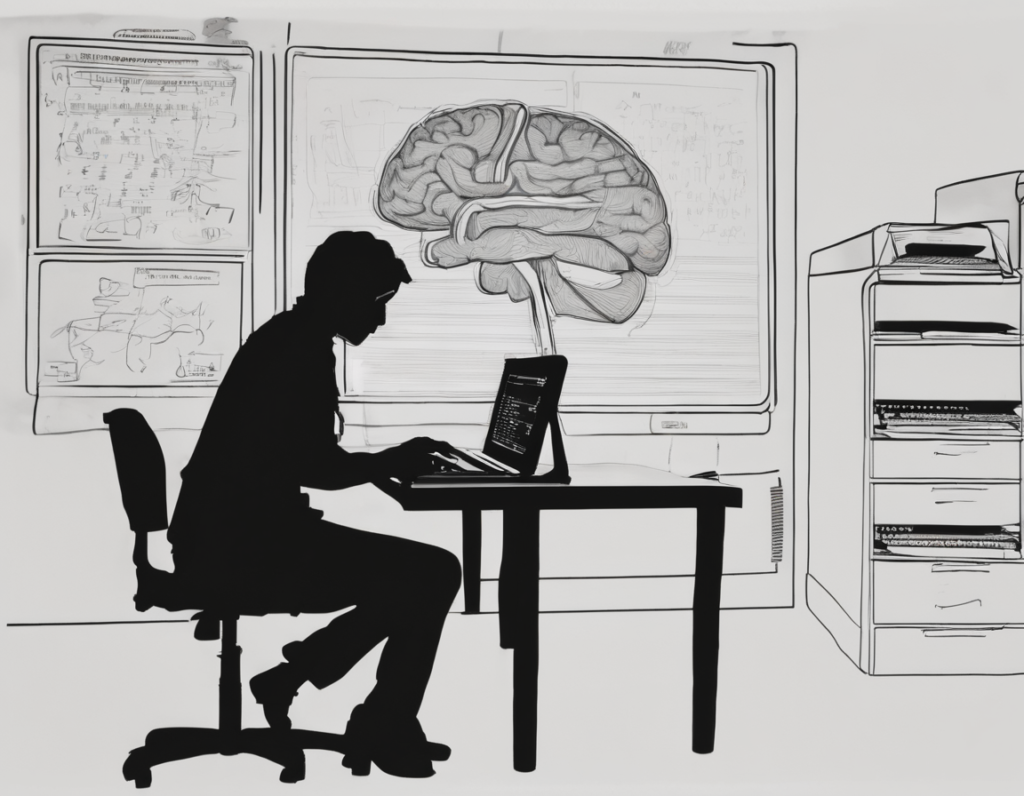
AI May Be Quietly Dulling Our Minds, New Study Suggests A growing body of research is raising red flags about how artificial intelligence tools affect human thinking. A recent study examined brain activity in people using AI systems, and the results are unsettling. The study found that when people rely on AI for tasks like writing or problem solving, their brains show significantly less activation in regions linked to creativity and information processing. One researcher noted that while the brain did not fully fall asleep, the areas responsible for higher-order thinking were barely lit up. This suggests that offloading mental work to AI might be making our minds lazy in real time. Instead of engaging with a problem, we let the machine do the heavy lifting. Over time, this could weaken our ability to think critically, generate original ideas, or process complex information without assistance. Critics worry that this is not just a short-term effect. If we constantly outsource thinking to AI, we may lose cognitive skills the same way we lose muscle when we stop exercising. Some experts compare it to the decline in memory and navigation skills since the rise of GPS. The implications are especially serious for knowledge workers, creators, and students. AI can help with efficiency, but using it as a crutch might come at the cost of genuine understanding and creativity. The brain needs practice to stay sharp. If we stop using it for the hard stuff, it may adapt by becoming less capable. The takeaway is not to avoid AI entirely, but to use it wisely. Think of it as a tool, not a replacement. Do the creative thinking first, then let AI handle the grunt work. Your brain will thank you later.