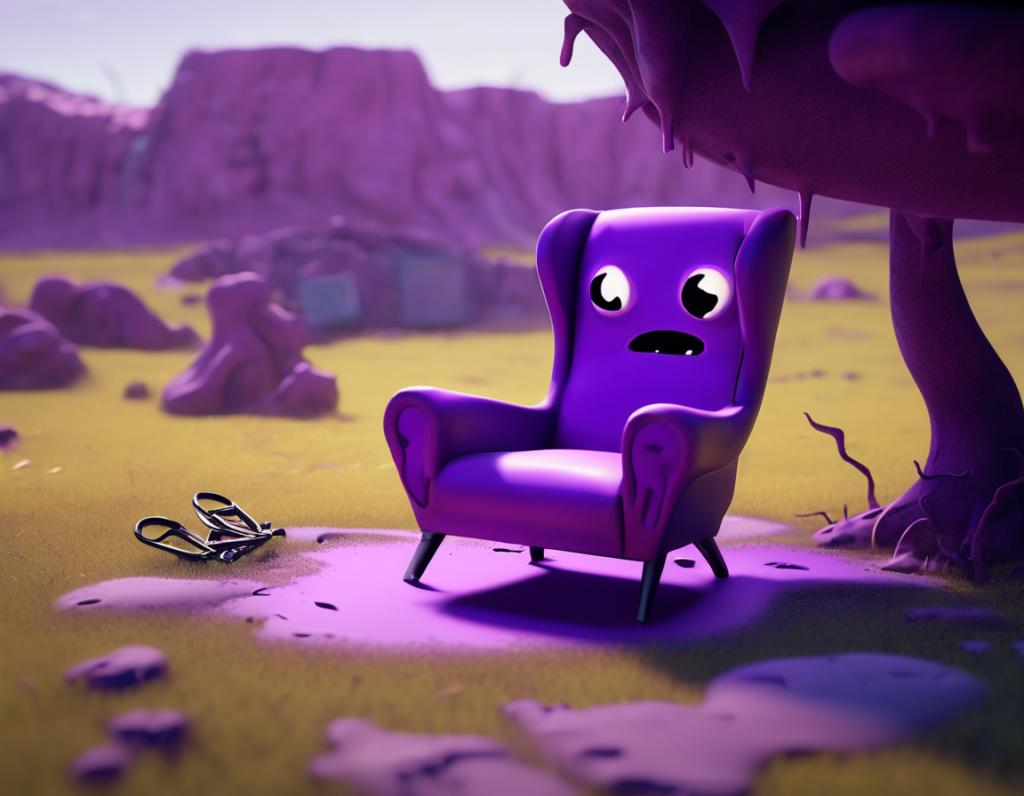
OpenAI Attempts Pixar Style Movie, Result is a Mess Making movies isn’t as easy as it looks, even for artificial intelligence. OpenAI, the company behind viral tools like ChatGPT and image generator DALL-E, tried to create its own animated short film in the style of Pixar. The result, however, was reportedly a chaotic and disjointed mess that highlights the limits of current AI technology. The project, which was not officially announced but recently surfaced in discussions among tech insiders, aimed to use a combination of large language models and image generation tools to automate every step of filmmaking. From scripting and storyboarding to character design and rendering, the AI was expected to produce a cohesive, emotional story. Instead, the output was a shambles. Witnesses said the generated scenes lacked visual consistency. Characters changed appearance from scene to scene, backgrounds warped unpredictably, and the narrative flow was jarring. The AI struggled to maintain a steady theme or emotional arc. One early test showed a character crying in one frame and laughing in the next with no transition, while another scene had a floating chair that defied physics. This failure underscores a deeper challenge. While AI excels at generating single images or short text passages, it cannot yet handle the long-term logic, emotional depth, and constant creative decisions required for a feature-length film or even a short film. Pixar movies are famous for their meticulous storytelling, character development, and visual harmony. Replicating that requires not just generating pixels but understanding human emotion, timing, and narrative cause and effect. OpenAI has not commented on the project. But the leak suggests that even the most advanced AI models are still far from replacing human directors, animators, or screenwriters. For now, the magic of a good movie remains a uniquely human art. The attempt also raises questions about the hype around AI creativity. Investors and tech enthusiasts often predict that AI will soon produce blockbuster movies, hit songs, and bestselling novels. This example shows that the gulf between generating content and creating art is still enormous. In the crypto and blockchain world, similar lessons apply. Many projects promise AI-driven content creation for NFTs, virtual worlds, or video games. But as this failed Pixar experiment shows, quality often suffers when automation replaces human judgment. A pixelated monkey or a random castle might look impressive in a screenshot, but building a compelling story or a believable world is a different beast. The bottom line is that AI can assist, but it cannot yet replace the human touch. For now, the dream of a fully AI-generated Pixar movie remains just that a dream. And a messy one at that.