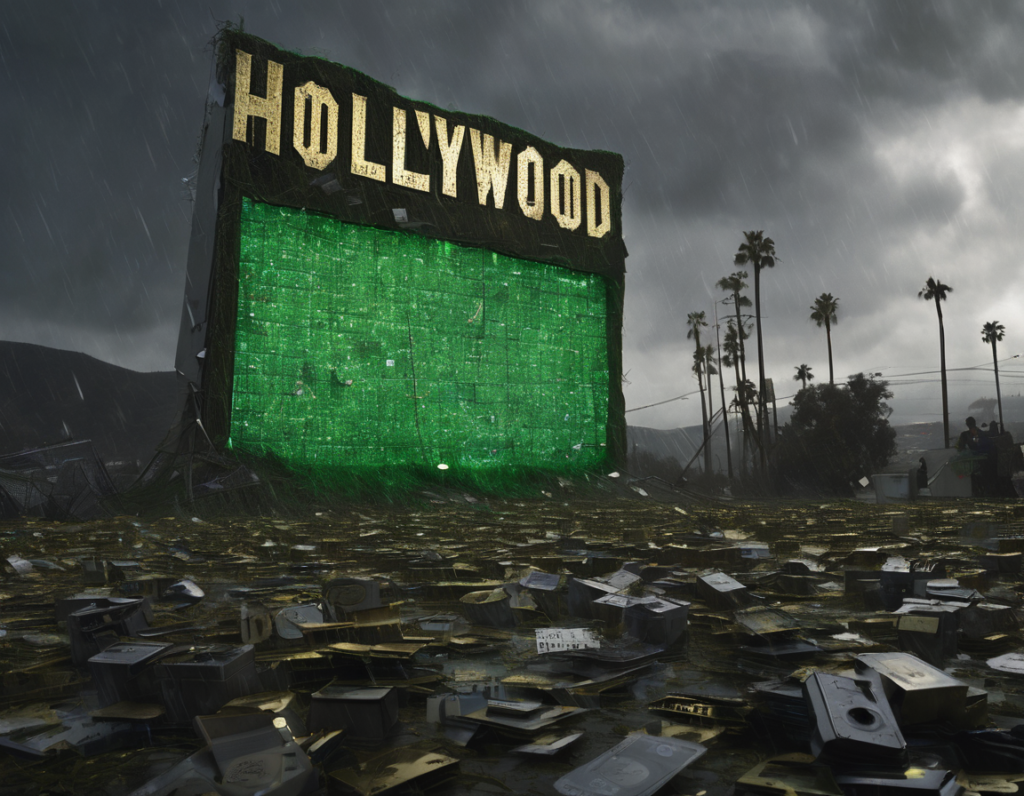
The Blockchain Deal That Has Hollywood and Newsrooms Terrified A major corporate deal has sent shockwaves through the entertainment and media worlds. This acquisition is not about a new streaming service or a merger of two studios. It is a deal centered on blockchain technology, and it has sparked genuine fear about the future of film, television, and news. The core of the anxiety lies in what this technology means for ownership and control. For decades, the power in Hollywood and newsrooms has been centralized. Studios decide what gets made. Networks control distribution. Publishers own the news cycle. This new deal signals a shift toward a decentralized model, where creators and consumers might bypass the traditional gatekeepers entirely. Crypto writers have been predicting this moment for years. The blockchain allows for smart contracts that can automatically pay creators every time their work is viewed or used. It enables tokenized ownership where fans can buy a stake in a movie or a news outlet. And it creates immutable records of intellectual property, making piracy harder to hide and royalties easier to track. The fear is real because the current system is built on scarcity and control. Television networks charge advertisers based on audience size. Film studios hold onto rights for decades. News organizations rely on subscriptions and paywalls. A decentralized ecosystem threatens to break all of this apart. If a filmmaker can sell a movie directly to a community of token holders, why do they need a studio? If a journalist can earn micro-payments for each article read, why do they need a newspaper? The most immediate worry is job loss. If middlemen like agents, distributors, and ad sales teams are replaced by smart contracts, entire career paths vanish. Union rules and residual payments, already a point of tension, could be rewritten by code instead of negotiation. The fear is not just about technology, but about a loss of human agency in creative and journalistic work. However, this deal also forces a hard look at the current state of these industries. Hollywood is struggling with streaming fatigue and budget overruns. Local news is dying. Audiences are skeptical of corporate media. A blockchain-based model could offer transparency, fair pay, and a direct connection to audiences. For a crypto writer, the narrative is clear. This deal is a signal. The old guard is scared because they see the walls closing in. They see a future where power is distributed, where creators own their work outright, and where trust is verified by code rather than a brand name. The deal may spark fear, but it also sparks opportunity. The question is whether the film, television, and news industries will adapt and embrace this new technology, or dig in and fight a losing battle against the inevitable evolution of how we create and consume content. For now, chaos and fear rule the day. But in the crypto world, chaos often clears the path for something new.