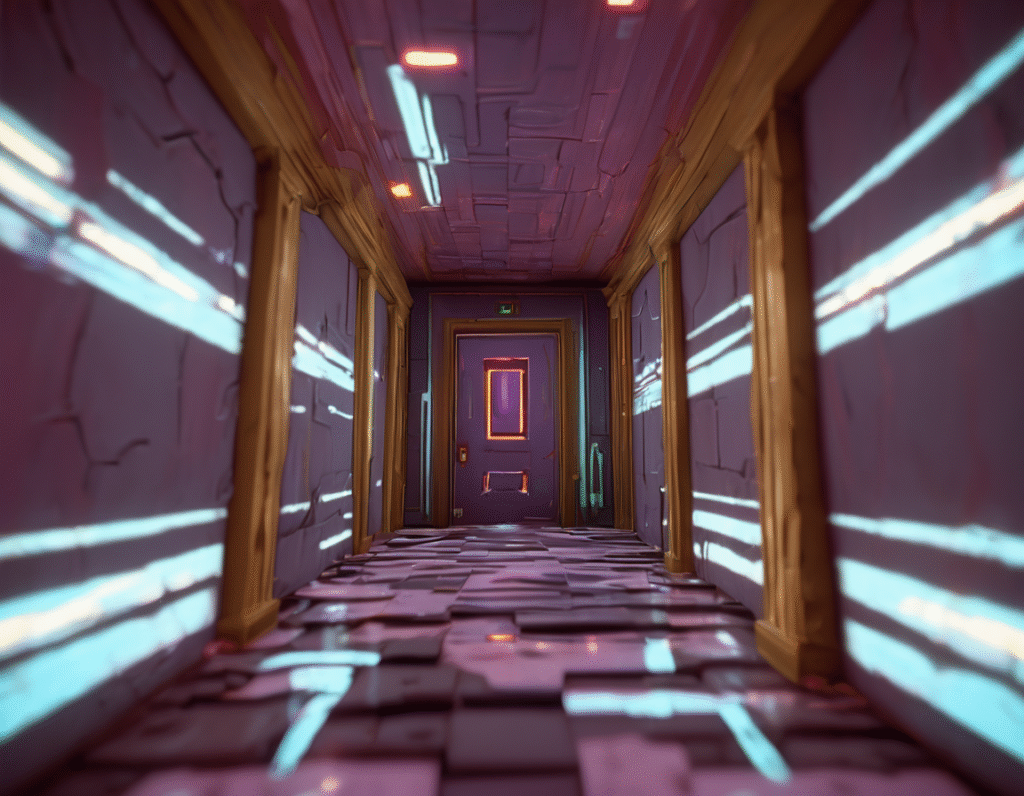
The AI Gaming Bubble is Already Bursting If the latest demo of an AI generated video game is any indication of where this technology is headed, the entire crypto gaming space should be deeply concerned. We have been sold a vision of limitless, dynamically generated worlds, but the reality currently on display is a glitchy, nonsensical mess that barely qualifies as a game. The footage in question shows a first person experience that is both hilarious and deeply unsettling. The player navigates a world that feels like a bad dream. Textures are blurry and inconsistent, with walls and floors melting into each other. Objects pop in and out of existence without warning. The game’s internal logic is completely absent. One moment you are in a corridor, the next you are falling through an endless void before being unceremoniously dumped back into a different part of the map. The user interface is a catastrophe of its own. Text overlays are garbled, displaying gibberish instead of coherent instructions or stats. Menus flicker with indecipherable icons. The game seems to be having a conversation with itself, and the player is just an unfortunate bystander. It is a stark reminder that generative AI, while powerful, lacks any fundamental understanding of context, rules, or coherent design. This is the critical flaw in the promise of AI driven crypto games. The Web3 space is already saturated with projects that prioritize hype and speculation over polished, engaging gameplay. Introducing an unstable, untested AI layer on top of that shaky foundation is a recipe for disaster. How can you build a sustainable in game economy with digital assets when the world those assets exist in is fundamentally broken and unpredictable? Proponents will argue that this is just an early prototype, that the technology will improve. And they are right, it will. But this demo serves as a crucial reality check. It highlights the vast chasm between the marketing hype of fully autonomous worlds and the current technical capability. AI is a powerful tool for assisting developers, but it is not yet a replacement for human creativity, design expertise, and, most importantly, a coherent vision. For crypto gaming, which is desperately trying to shed its reputation for low quality cash grabs, this is a dangerous path. Players and investors are growing wary of empty promises. Showcasing a product that is so blatantly unfinished and dysfunctional risks alienating the very community the space needs to grow. It reinforces the worst stereotypes about crypto projects being all whitepaper and no substance. The future of gaming, especially within the blockchain ecosystem, must be built on solid, enjoyable experiences first. The technology, whether blockchain or AI, should serve the game, not the other way around. What we are seeing now is the opposite a technology in search of a purpose, resulting in a chaotic digital playground with no soul and no reason to exist. If this is the foundation for the next generation of video games, then the industry is indeed in trouble. It is a cautionary tale of what happens when technological ambition races too far ahead of practical application and basic quality control. The crypto gaming world should take note and focus on building games that are actually fun to play, before we try to hand the reins over to an AI that does not even know how to draw a stable wall.