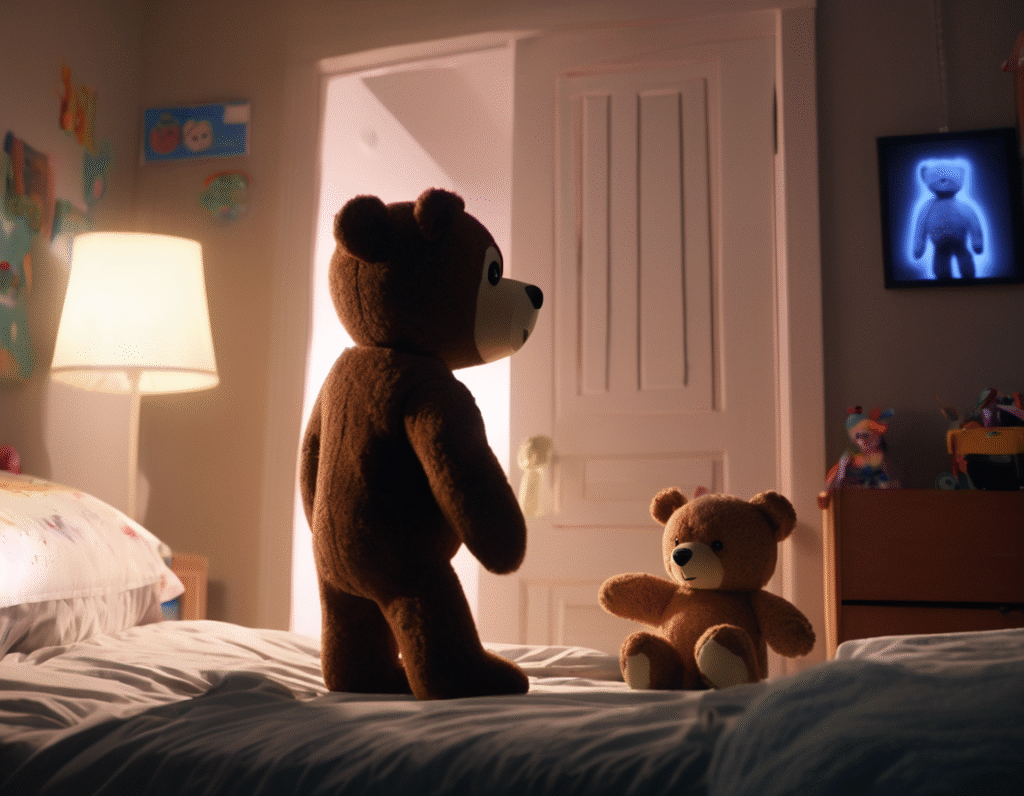
A Crypto Writer’s Take on the AI Teddy Bear Dilemma The crypto space is built on a foundation of pushing boundaries and embracing disruptive technology. We champion decentralization, trustless systems, and a future shaped by code. But even the most ardent tech optimist knows that not all innovation is created equal, and some frontiers require extreme caution. The latest red flag isnt a new token or a dubious DeFi protocol its the AI-powered teddy bear. A prominent child development researcher has sounded the alarm as these connected, data-hungry toys prepare to flood the market for the holiday season. This is not just a privacy concern. This is a fundamental question about the ethics of using our children as test subjects for unproven, opaque artificial intelligence systems. Think of it this way. In crypto, we value open-source code and auditable smart contracts. We want to know exactly what the rules are and how our assets are being handled. An AI teddy bear is the absolute antithesis of this principle. It is a black box. Parents have no idea what data is being collected from their childs conversations, their emotional states, their private moments in their own bedroom. They dont know how that data is processed, where it is stored, or who has access to it. This is a data mining operation of the most sensitive kind, happening in the one place it should be most secure a childs room. The potential for this data to be used to build profiles, train other AI models, or even be leaked is a risk that should make any tech-savvy person shudder. In a world of increasing digital surveillance, do we really want to install a always-on, internet-connected microphone and sensor suite next to our kids beds. Beyond the glaring privacy issues lies an even more profound developmental concern. Child development is a delicate, human-centric process. It thrives on genuine, unpredictable interaction. An AI, no matter how sophisticated, operates on algorithms and data sets. It cannot replicate the nuanced empathy, the spontaneous laughter, or the imperfect love of a human caregiver. Relying on a machine to be a childs companion and teacher could fundamentally alter how that child learns to communicate, show emotion, and understand social cues. The researchers warning is stark and clear. Err on the side of not letting your child be a lab rat for unproven AI tech. This is a powerful statement. In the crypto world, we are often the lab rats, testing new financial systems and digital economies, but we are consenting adults who understand the risks. Children cannot give that consent. They are a vulnerable population being exposed to a powerful, unregulated technology with unknown long-term effects. As a community that understands technology deeply, we have a responsibility to look past the hype. The promise of an educational, interactive toy is seductive, but the reality may be a data-harvesting device with unknown psychological impacts. This holiday season, the most prudent investment might not be in the flashiest new tech gadget, but in protecting the most valuable asset we have our childrens privacy and their natural, unalgorithmic development. Sometimes, the most innovative choice is to say no.