
Alaska Air Embraces Starlink for Free High Speed In Flight Internet
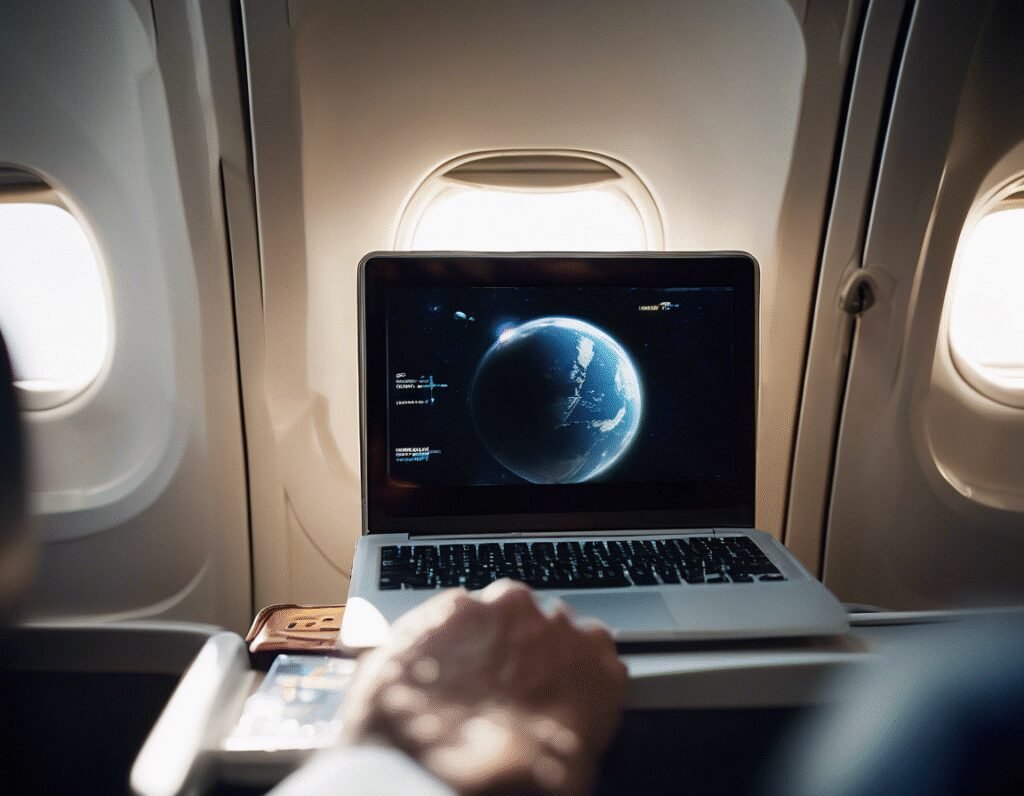
In flight internet is notoriously poor, but a growing number of airlines are betting that SpaceXs Starlink is the answer. The latest carrier to sign on with the satellite internet provider is Alaska Air Group. The company announced it will begin offering Starlink Wi Fi on its flights next year, with plans to equip its entire fleet by 2027.
This move follows the successful implementation of Starlink on Hawaiian Airlines, a subsidiary of Alaska Air Group. CEO Ben Minicucci stated that the partnership will enable gate to gate connectivity on nearly every aircraft across both airlines, signaling a significant upgrade for passengers.
In a separate announcement, the airline revealed that access to the Starlink service will be offered for free to members of its new Atmos Rewards loyalty program. Additionally, telecom partner T Mobile will provide its customers with a seamless, ad free login process for the in flight Wi Fi, with more specific details expected later this year. Alaska Air has promoted the service, claiming it will offer ultra fast speeds that are up to seven times faster than the geostationary satellite based systems most competitors currently use.
This trend appears to be expanding beyond Alaska. Reports indicate that British Airways is also close to finalizing a deal with Starlink. Furthermore, SpaceX is said to be in discussions with major international carriers like Emirates and Saudia. Securing contracts with these flagship airlines would represent a major victory for Starlink, positioning it as a formidable challenger to established satellite operators like Viasat and Echostar.
However, this technological upgrade comes with a substantial price tag for the airlines. Industry sources report that retrofitting a single Boeing 737 with the necessary Starlink equipment costs approximately 300,000 dollars. The expense is even greater for larger aircraft like the 787 Dreamliner, where installation can reach around half a million dollars per plane. Beyond the initial hardware investment, airlines are also facing ongoing operational costs, estimated at 120 dollars per month for each connected seat, with an additional 120 dollar fee per seat for live TV capabilities. None of the airlines involved have publicly confirmed these financial details.
Despite the high costs, carriers see a reliable and fast in flight internet connection as a potential game changer. It allows passengers to be productive by working and communicating, or to be entertained by streaming video and live television. If streaming becomes robust enough, it could even allow airlines to phase out the heavy and expensive built in seatback entertainment systems, reducing aircraft weight and maintenance complexity.
One potential hurdle for adoption lies with the public perception of SpaceX owner Elon Musk. His fractured relationship with former US President Donald Trump and his broader political affiliations may deter some potential customers. This dynamic has seemingly impacted consumer sentiment before, with some attributing a recent drop in Tesla deliveries to a backlash against Musk. For airlines, the performance of the service will likely be the primary factor, but passenger perception of the brand behind the technology remains an unpredictable variable.