
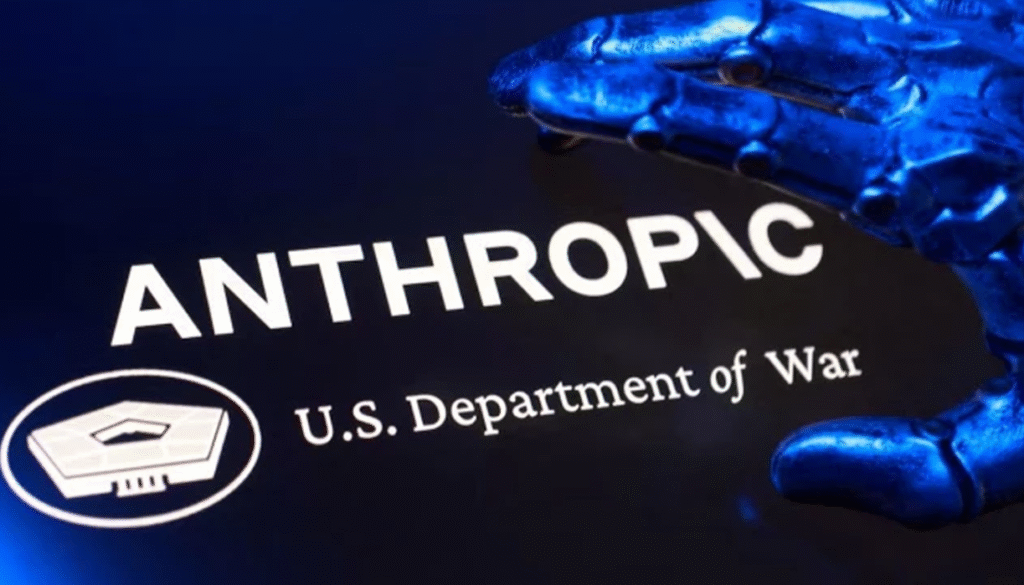
Anthropic Takes Legal Action Against Pentagon
Anthropic, the maker of Claude AI assistant, has filed a lawsuit to block the Pentagon from placing it on a national security blacklist. The legal action marks a significant escalation in the artificial intelligence lab battle with the U.S. government. This unprecedented move highlights the growing tension between AI companies and federal agencies concerned about national security implications of advanced AI technology. The lawsuit was filed in federal court in Washington, D.C. Industry observers are closely watching the case as it could set precedents for future AI regulation.
What Is the Pentagon Blacklist?
The national security blacklist would restrict American companies from doing business with entities on the list. If placed on this list, Anthropic would face severe limitations on its ability to partner with U.S. government agencies and contractors. The blacklist, known as the Entity List, is administered by the Commerce Department and is typically used to restrict exports of sensitive technology to foreign nations and companies deemed to pose national security risks. Companies on this list face significant barriers to doing business with U.S. entities. The designation can devastate a company’s reputation and market access globally.
Why Is Anthropic Fighting Back?
The company argues that being placed on the blacklist would unfairly damage its reputation and business prospects. Anthropic has positioned itself as a safety-focused AI company, and the blacklist threat contradicts its mission of developing beneficial AI systems. The company contends that the blacklist designation would harm its ability to attract talent, secure partnerships, and continue its research into AI safety. Anthropic has emphasized its commitment to responsible AI development. The company believes the designation is unfounded and represents government overreach.
Impact on AI Industry
This lawsuit highlights the growing tension between AI companies and government regulators. As artificial intelligence becomes more powerful and widespread, questions about national security implications are coming to the forefront of policy discussions. The outcome of this case could set important precedents for how AI companies interact with government agencies in the future. Other AI labs are watching closely to understand potential implications for their own operations. The entire industry awaits clarity on regulatory frameworks.
OpenAI Pentagon Deal Comparison
The timing of this lawsuit is notable. OpenAI has jumped in with its own Pentagon deal, and interestingly, Anthropic smartphone app soared to the No. 1 spot in Apple App Store downloads after OpenAI announced its own Pentagon deal. This rivalry has become deeply personal in the AI industry, with both companies competing for government contracts and public attention. The contrasting approaches of the two companies highlight different strategies for engaging with federal agencies. Market dynamics are shifting rapidly.
Industry Reactions
Tech industry leaders have offered mixed reactions to Anthropic’s legal challenge. Some praise the company for standing up to government overreach, while others worry about the precedent set by challenging federal designations. The case is expected to take months to resolve as both parties prepare extensive legal arguments. Legal experts suggest the outcome could reshape how technology companies interact with national security agencies. The stakes could not be higher.
What Comes Next
The outcome of Anthropic’s lawsuit could have far-reaching implications for the entire AI industry. A favorable ruling could protect other AI companies from similar designations and limit government power to restrict AI development. Conversely, if the Pentagon prevails, it could empower government agencies to more aggressively regulate advanced AI systems through existing frameworks. The legal proceedings will be closely watched by industry stakeholders, investors, and policymakers alike. Everyone has skin in the game.
Broader Implications
Beyond Anthropic specifically, this case raises fundamental questions about innovation, regulation, and the role of government in emerging technologies. As AI capabilities advance at unprecedented rates, the tension between innovation and safety will only intensify. Companies must navigate this complex landscape carefully while pushing the boundaries of what is possible. The decisions made in courtrooms and regulatory agencies today will shape the technology landscape for decades to come. We are at an inflection point.