
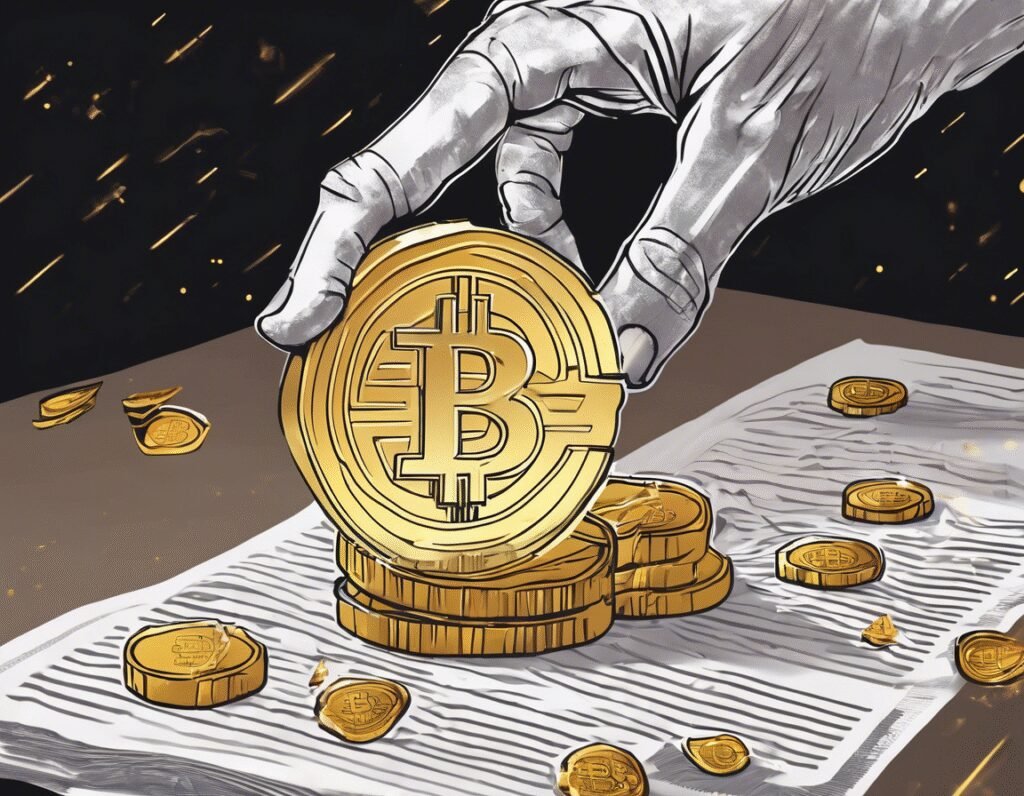
Robert Kiyosaki Raises Concerns Over BTC, Gold, and Silver ETFs
Investor Robert Kiyosaki has issued a warning about the potential risks associated with exchange-traded funds (ETFs) tied to hard assets like Bitcoin, gold, and silver. He argues that these financial products may represent fraudulent paper claims rather than genuine ownership of the underlying assets. However, ETF analysts have countered this view, stating that such fears are exaggerated and lack substantial evidence.
Kiyosaki, best known for his book Rich Dad Poor Dad, has long been an advocate for tangible investments like precious metals and Bitcoin as hedges against economic instability. His latest comments focus on the growing popularity of ETFs, which allow investors to gain exposure to these assets without physically holding them. He believes that these paper-based instruments could pose risks if issuers fail to back them with real assets, especially during market stress.
Despite these concerns, ETF analysts argue that regulated ETFs are subject to strict oversight, reducing the likelihood of fraud. They point out that reputable issuers maintain proper reserves and undergo regular audits to ensure transparency. For Bitcoin ETFs in particular, custodians like Coinbase and other trusted entities hold the actual cryptocurrency, providing an additional layer of security for investors.
The debate highlights a broader discussion about trust in financial systems. Kiyosaki’s skepticism reflects a preference for direct ownership, while ETF proponents emphasize convenience, liquidity, and regulatory safeguards. As the market for crypto and commodity ETFs grows, investors will need to weigh these factors when deciding how to allocate their portfolios.
While Kiyosaki’s warnings may resonate with those wary of financial intermediaries, analysts maintain that ETFs remain a viable and secure option for gaining exposure to hard assets. The ongoing evolution of these investment vehicles will likely continue to shape conversations around risk, trust, and accessibility in the years ahead.