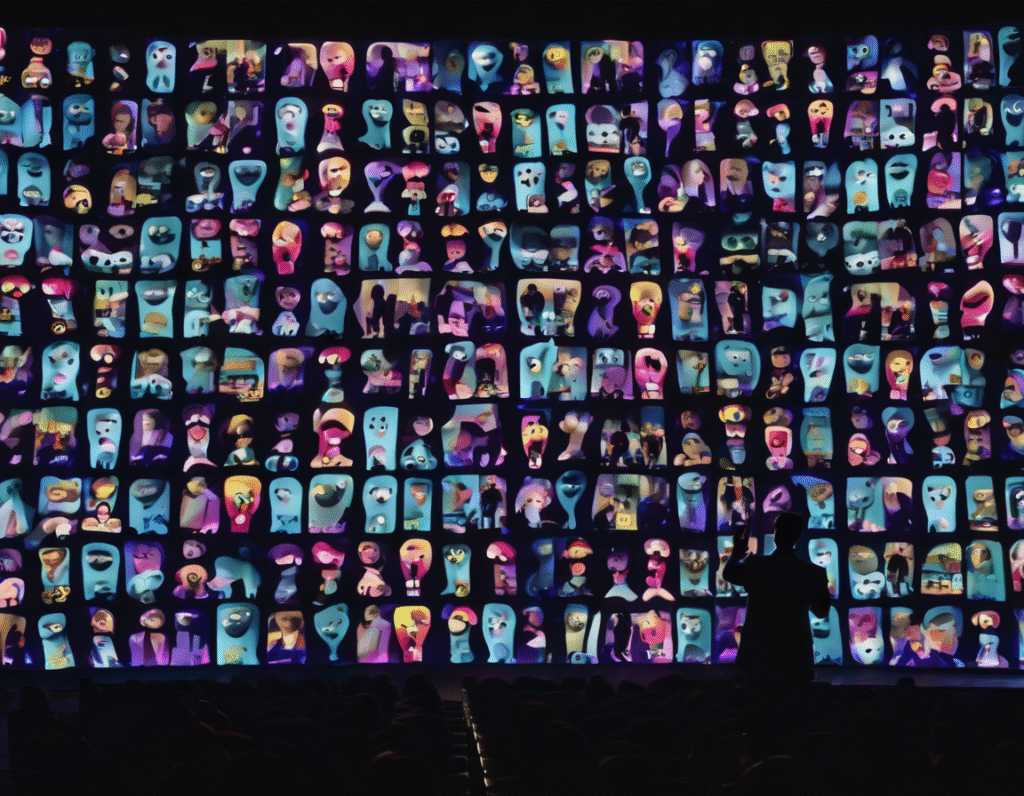
BuzzFeed’s AI App Launch Meets Awkward Silence and Unsettled Giggles The atmosphere was decidedly awkward. During a recent launch event for BuzzFeed’s new suite of AI-powered apps, the intended excitement seemed to fall flat. The crowd’s response was not cheers or eager questions, but a wave of uncomfortable laughter and palpable confusion. This reaction underscores a growing divide between the relentless push for AI integration and genuine user enthusiasm. The event aimed to showcase how artificial intelligence would revolutionize content creation and interaction across BuzzFeed’s platforms. Yet, as demos proceeded, a disconnect became evident. The presentation, filled with tech jargon and promises of automated creativity, failed to resonate. Attendees were left visibly puzzled, their nervous laughter speaking volumes about a lack of clarity and tangible value. This moment is a microcosm of a larger trend in tech, where the race to deploy AI tools often outpaces the development of truly compelling use cases. For an audience, the question remains simple: what problem does this actually solve? When the answer is not immediately clear, skepticism and discomfort are natural reactions. The awkward laughter was less about humor and more about a collective uncertainty regarding the purpose and utility of the products being unveiled. In the world of crypto and Web3, we are intimately familiar with this dynamic. The space has seen countless launches where complex technology was presented without a straightforward narrative, leading to similar public skepticism. The lesson is clear: innovation cannot exist in a vacuum. It must be paired with intuitive design and a clear explanation of benefits to bridge the gap between developer ambition and user adoption. BuzzFeed’s situation highlights a critical challenge for any company leveraging advanced technology. If you cannot explain your product in simple terms and demonstrate its obvious value, even the most sophisticated AI will be met with blank stares and uneasy chuckles. The core issue is not the technology itself, but the presentation and the perceived need for it. The event’s uncomfortable reception serves as a cautionary tale. It reminds us that in the rush to be part of the AI revolution, companies risk alienating the very audiences they seek to engage. Building trust and understanding is as important as building the technology. Without that foundation, even the most buzzy launch can end in a quiet room filled with nothing but the echo of uncertain laughter. The true test for BuzzFeed’s AI apps will now be whether they can move beyond that initial awkwardness to prove their worth in daily use.