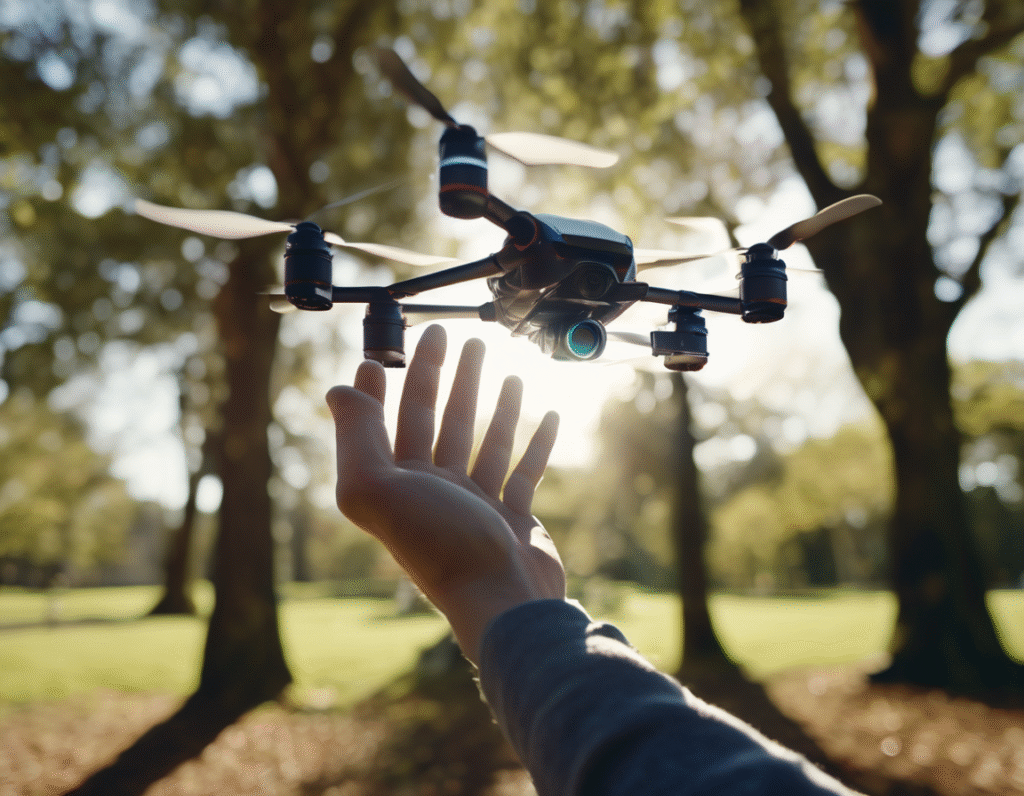
DJI Neo 2 Review The Best Budget Drone Is Now Even Better Even with its future in the US uncertain, DJI continues to innovate and release impressive drones. The latest model is the Neo 2, an affordable and lightweight drone designed for creators and hobbyists. It is a significant upgrade over the immensely popular original Neo, building on its foundation of being safe and easy to fly with features like shrouded propellers, palm takeoff, and voice control. The Neo 2 is not a minor refresh. It is packed with new features including LiDAR obstacle detection, better video quality, and a longer battery life, all for only a slightly higher price. Some of these new capabilities are not even available on DJIs more expensive, high-end drones. The original Neo had a few drawbacks, notably a loud, high-pitched propeller noise and a lack of obstacle avoidance. The new model addresses these issues, making it a nearly perfect personal drone. Design While the Neo 2 retains the same friendly, compact 6.5-inch square design, key improvements are present. A new LiDAR sensor on the front enables forward obstacle detection, a surprising feature for a drone in this price range. A small display on the front left shows the current flight mode, a first for any DJI drone. The gimbal has been upgraded to rotate, keeping the camera level during banking maneuvers and eliminating the ugly cropping seen in the original Neo during extreme moves. The drone now has three side buttons and new omnidirectional sensors that improve stability, especially in areas without GPS like indoors. The basic version of the Neo 2 is designed to be as inexpensive as possible. If you opt for a model with the optional RC-2 or RC-N3 controller, it includes a removable Digital Transceiver with antennae. With this attached, the Neo 2 weighs 5.6 ounces, still under the 250-gram threshold that requires registration with authorities. Features A major new feature is gesture control, not found on other DJI models. You can control the drone with hand movements, waving to climb or bank, using two hands to make it approach or retreat, clenching a fist to stop, and holding out a palm to land. This allows for precise control without a remote. Other flight options include palm takeoff and smartphone control. The Wi-Fi range has been dramatically extended to 546 yards, a tenfold increase over the original Neo. For even longer range and more precise control, the Neo 2 is compatible with DJIs RC-N2, RC-N3, or RC-2 controllers, offering up to 6 miles of range. It also works with DJI Goggles for an immersive FPV experience. The Quickshots repertoire has been updated with a new Hitchcock zoom mode, where the drone backs away while zooming in, creating a dramatic perspective effect seen in classic films. The Neo 2 is also compatible with DJI microphones like the Mic 2 and Mic 3, and with the quieter propellers, audio quality is improved. Onboard storage is now 49GB, enough for 175 minutes of 4K video, and Wi-Fi transfer speeds have been doubled. Performance The Neo 2 is now much smarter. Using its LiDAR and omnidirectional sensors, it can actively avoid obstacles instead of just being protected by its shrouds. In tests, it smoothly followed subjects, cinematically swooping around trees and buildings when flying forward. It is less adept at detecting obstacles to the sides and rear, so users need to be mindful in those situations. The drone is significantly faster, with a top speed of 27 mph in follow mode, and includes a special Bicycle Tracking mode. It easily kept pace with an e-bike while avoiding forward obstacles. The increased speed also makes it a more engaging and capable FPV drone for beginners. The noise issue has been largely resolved. The Neo 2 is much quieter, with a more tolerable pitch and decibel level. It can be flown at a party or in a park without drawing excessive attention, though the sound it does make is still a high-pitched whine that can carry. Video Quality The camera has been upgraded with a new 12MP sensor. It now shoots 4K video at up to 60 fps, or 100 fps for slow-motion, a big improvement over the Neos 30 fps limit. The lens is also faster at f/2.0, allowing more light for sharper and more color-accurate video. There are compromises. The small sensor means low-light performance is mediocre, with noticeable grain at higher ISO settings. It also lacks 10-bit color profiles, making it harder to correct exposure in post-production. While not suitable for professional cinematography, the video quality is excellent for social media, hobbyists, and content creators, delivering smartphone-quality aerial shots. Wrap-Up DJI has not announced US pricing or availability for the Neo 2 due to a potential ban. If it does arrive, it is expected to cost around 250 dollars, a price point where it has no real competition. The only name-brand alternative, the HoverAir X1, costs twice as much and is inferior in video quality, battery life, range, and features. The DJI Neo 2 is not just the best personal drone available, it is one of the best tech products to come out recently. It keeps all the best qualities of the original Neo, like its ease of use and safety, and adds crucial features like obstacle avoidance and quieter operation. It delivers far more than one would expect for its price, setting a new standard for budget-friendly drones.