
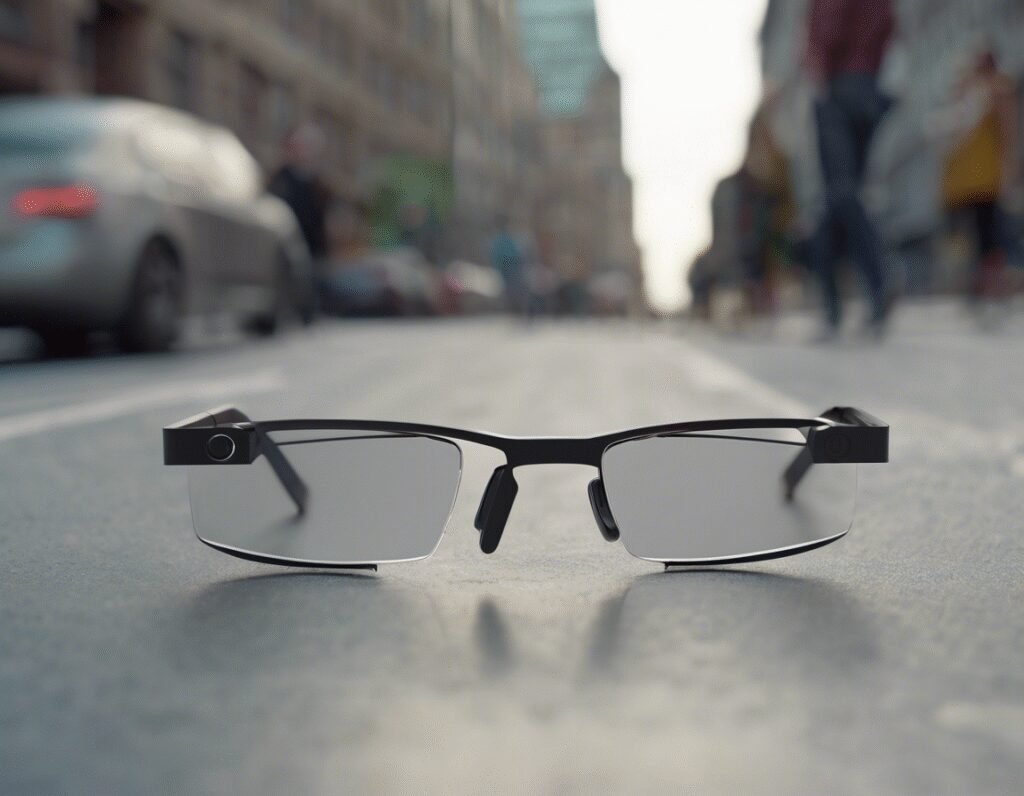
HTC Challenges Meta with New Vive Eagle Smart Glasses
HTC is stepping back into the wearable market with its latest offering, the Vive Eagle smart glasses. Positioned as a competitor to Meta’s Ray-Ban smart glasses, the Vive Eagle boasts a sleek, lightweight design, open-ear audio, and an AI-powered ultra-wide camera. While promising, the glasses come with a premium price tag and will initially launch only in Taiwan.
Meta’s Ray-Ban smart glasses have gained unexpected popularity, thanks to their stylish design and solid performance. HTC seems to be following a similar blueprint with the Vive Eagle, though it faces an uphill battle against Meta’s established brand recognition and fashion appeal. The company describes the Vive Eagle as featuring a minimalist aesthetic that hides advanced tech within a lightweight 49-gram frame—just one gram heavier than Meta’s offering.
The Vive Eagle includes a 12MP ultra-wide camera with voice-activated AI, compatible with platforms like OpenAI and Gemini. Users can snap photos or record videos using simple voice commands, such as Hey VIVE, take a photo. Beyond photography, the glasses support voice-controlled tasks like setting reminders, taking notes, and fetching restaurant recommendations. They also offer real-time translation in 13 languages, including English, Spanish, Japanese, and Arabic.
For audio, HTC employs an open-ear system with large acoustic drivers and virtual bass enhancement, aiming to deliver immersive sound while minimizing leakage. The company claims users can enjoy music or voice prompts without disturbing others, all while staying aware of their surroundings.
Battery life is another highlight, with up to 36 hours of standby and 4.5 hours of continuous music playback. A 10-minute charge via magnetic fast charging can restore the battery to 50 percent. HTC emphasizes privacy, stating that all video and data remain stored on-device with 256-bit AES encryption.
Priced at NT$15,600 (around $520), the Vive Eagle is significantly more expensive than most Meta Ray-Ban models. HTC has not confirmed plans for a global release, but if it expands to markets like the US at this price point, it will face stiff competition from Meta’s established lineup.
The Vive Eagle represents HTC’s latest attempt to carve out space in the smart glasses arena, blending style with AI-powered functionality. Whether it can compete with Meta’s dominance remains to be seen.