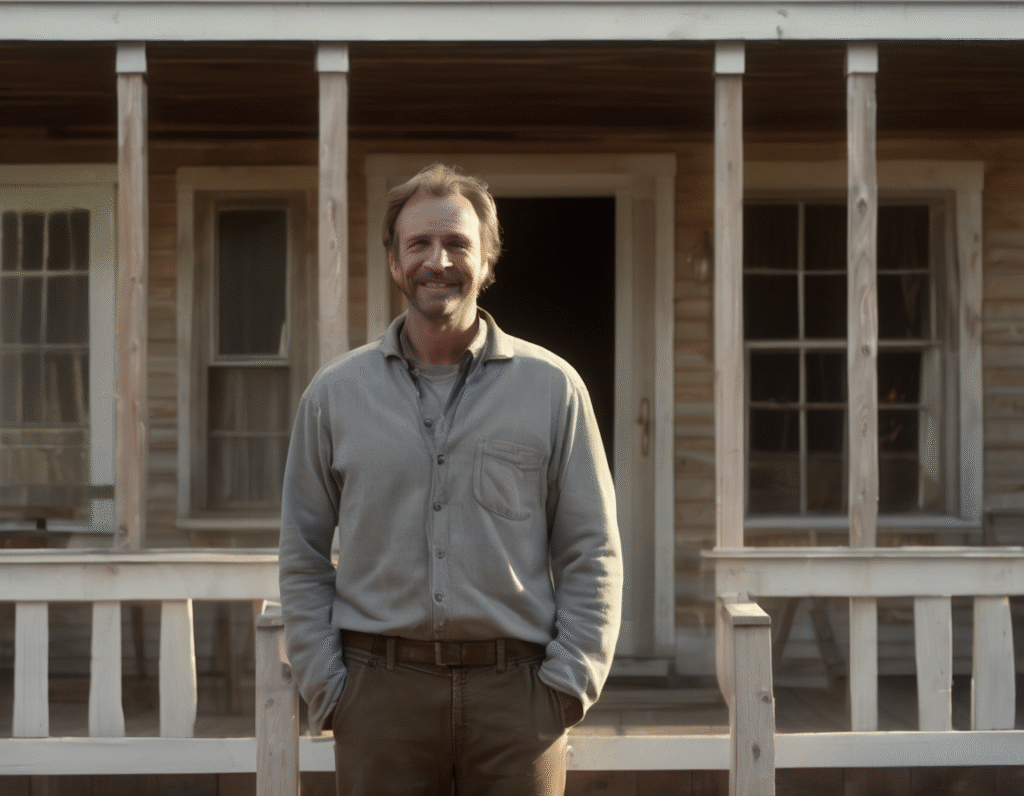
Matthew McConaughey has successfully trademarked himself in a novel legal move to combat unauthorized AI deepfakes. The US Patent and Trademark Office has approved eight trademarks for the actor, covering specific video and audio clips of his likeness and voice. These include footage of him staring, smiling, and talking, a video of him standing on a porch, and an audio recording of his iconic catchphrase alright, alright, alright from the movie Dazed and Confused. This proactive strategy aims to navigate the current legal gray area surrounding artificial intelligence. While existing law already prohibits using a persons likeness to sell products without permission, the rules are less clear when it comes to AI training data, voice cloning, and digital replicas. The commercial use of someones identity within AI systems remains a nebulous territory. McConaugheys lawyer, Kevin Yorn, acknowledges the uncharted legal waters, admitting uncertainty about how a court might rule if the trademarks were challenged. However, the primary goal is deterrence. The presence of these registered trademarks creates a stronger legal threat, aiming to discourage companies from using McConaugheys identity in AI applications without his explicit consent in the first place. This action reflects a growing concern among performers in the age of generative AI. The issue of AI and digital replicas was a central point of contention during the 2023 SAG-AFTRA strike, with actors seeking robust protections against having their likenesses and voices used without permission or proper compensation. McConaugheys move is a high-profile example of an individual artist taking matters into his own hands to establish legal boundaries. Importantly, McConaughey is not opposed to AI technology itself. He is an investor in the AI audio company ElevenLabs and has partnered with them to create a Spanish version of his newsletter. His position is one of controlled consent rather than outright rejection. In a statement, he emphasized his desire to ensure that any use of his voice or likeness is done only with his approval. He stated the goal is to create a clear perimeter around ownership with consent and attribution the norm in an AI world. The crypto and web3 community is watching these developments closely, as they intersect with core principles of digital ownership, provenance, and creator rights. McConaugheys approach of using existing intellectual property frameworks, like trademarks, to assert control in the digital realm is a pragmatic tactic as broader legislation catches up. It highlights the urgent need for clear standards and technological solutions, potentially including blockchain-based verification, to ensure authentic attribution and consent in an increasingly synthetic media landscape. This case underscores that for public figures and creators alike, establishing verifiable ownership and consent mechanisms is becoming a critical priority in the AI era.