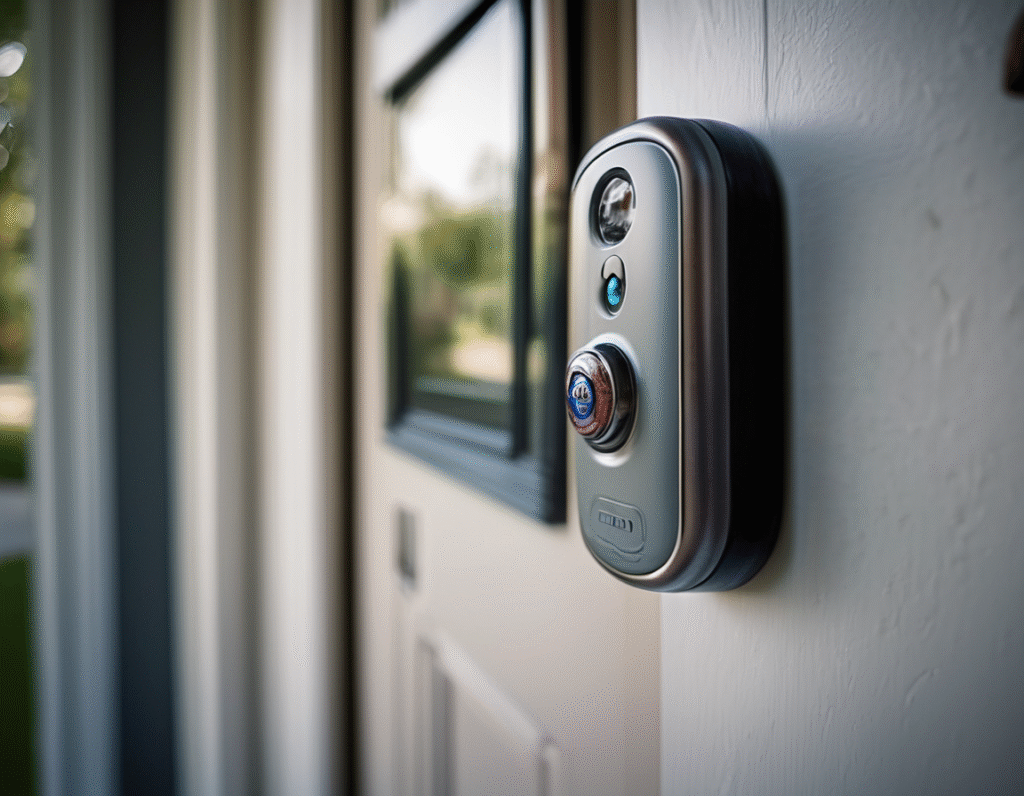
Privacy Advocates Allege Amazon Ring Cameras Are a Tool for Immigration Enforcement A growing number of activists and community organizations are raising alarms that Amazon’s popular Ring doorbell cameras have become a de facto surveillance network for U.S. Immigration and Customs Enforcement, or ICE. The allegations suggest a troubling intersection of consumer technology and government monitoring, where devices marketed for home security are facilitating immigration enforcement actions. The concerns center on the Neighbors app, the social platform linked to the Ring ecosystem where users share video clips from their cameras. According to reports and public records, law enforcement agencies, including ICE, can access this vast, user-generated pool of video footage. While police departments must formally request video through a process that Ring publicizes, immigration authorities appear to be accessing data through less visible channels, including partnerships with local police. Critics argue this creates a backdoor for surveillance. When a local police department partners with Ring, it often gains access to a portal where it can request video from users in a specific area without a warrant. If that local agency also cooperates with ICE, as many do through various programs, the fear is that immigration officials could indirectly leverage the Ring network. They could identify individuals or monitor neighborhoods under the guise of general law enforcement, bypassing the need for a direct warrant or specific oversight for immigration purposes. Amazon has consistently stated that Ring does not provide government agencies with live feeds or direct access to cameras without user consent. The company emphasizes that users control their data and that footage is only shared with authorities when a user agrees to a specific request or when Amazon is legally compelled to do so. They point to their transparency reports which detail law enforcement requests. However, privacy advocates counter that the system is structured to encourage sharing and normalize surveillance. The Neighbors app frequently highlights crime, fostering a culture of suspicion. The ease of clicking “share” in response to a police request, often for non-urgent matters, creates a streamlined pipeline of footage from private homes to government databases. Once there, the data can be analyzed with facial recognition or other tools and potentially shared between agencies. The implications for immigrant communities are significant. The presence of Ring cameras, often highlighted by signs in front yards, can have a chilling effect, creating an environment of constant perceived monitoring. Residents may fear attending community gatherings or seeking essential services, worried that their comings and goings are being logged and could be used against them or their neighbors. This situation presents a classic crypto and privacy dilemma writ large. It involves the commodification of personal data, the opaque sharing of that data between corporate and government entities, and the erosion of public spaces free from surveillance. The debate echoes concerns in the digital currency world about financial privacy and the right to transact without observation, but here it is applied to physical movement and community life. The core question raised by activists is whether a private, for-profit home security system should be allowed to evolve into a widespread surveillance infrastructure that can be co-opted by federal agencies for purposes far beyond solving package theft. As smart home devices proliferate, the controversy surrounding Ring serves as a critical case study in the unintended consequences of connected technology and the fragile boundaries between personal security and state control.