
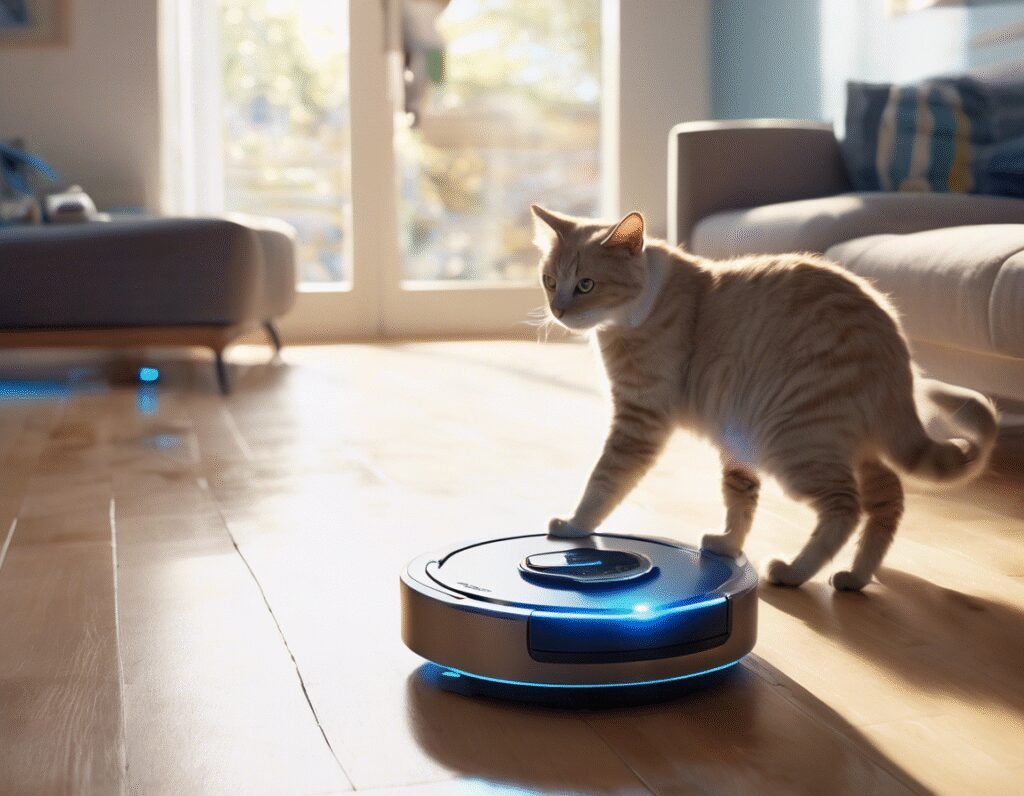
Robot Vacuums in 2025: The Best Options for Automated Cleaning
Chores are unavoidable, but some are more tedious than others. If vacuuming tops your list of hated tasks, a robot vacuum could be the solution. These smart home devices have evolved significantly, offering better suction, advanced mapping, and even mopping capabilities—all at increasingly affordable prices. With so many options available, choosing the right one can be overwhelming. Here’s a breakdown of the best robot vacuums in 2025 and what to consider before buying.
What to Look for in a Robot Vacuum
Floor Type
Consider your home’s flooring—whether it’s carpet, hardwood, tile, or a mix. Stronger suction is essential for carpets, while hard floors may benefit from mopping features. Some models offer max suction modes, though these drain battery life faster.
Vacuum Suction
Suction power varies, and manufacturers use different metrics to describe it. Some measure in Pascals (Pa), while others compare performance to other models. Look for real-world testing results to gauge how well a vacuum handles dust, crumbs, and pet hair.
Wi-Fi Connectivity
Most robot vacuums connect to Wi-Fi for app control, scheduling, and remote operation. Budget models may lack this feature, so verify before purchasing if smart functionality is important to you.
Mapping and Object Detection
Higher-end models include home mapping, letting you designate no-go zones or specific cleaning areas. Advanced object detection helps avoid obstacles like furniture, toys, or even pet accidents.
Self-Emptying Stations
For maximum convenience, self-emptying models deposit debris into a larger bin at their docking station. This means less frequent manual emptying, though replacement bags for these stations add to long-term costs.
Mopping Capabilities
Many robot vacuums now include mopping functions, either via built-in tanks or swappable attachments. While convenient, you’ll still need to refill water and clean the tank manually.
Robot Vacuum Maintenance Tips
Empty the dustbin after each use to maintain performance. For self-emptying models, check the base bin every few weeks. Regularly inspect brushes for tangled hair or debris, and replace filters as recommended—typically every few months.
How We Test Robot Vacuums
We evaluate robot vacuums in real homes, testing them on different floor types with various messes like pet hair, dust, and food crumbs. We assess suction power, navigation, app usability, and how well they handle obstacles. Mopping performance is also tested on hard floors.
Robot Vacuum FAQs
Are Robot Vacuums Worth It?
Yes, especially if you dislike vacuuming. While they lack the power of traditional vacuums, they automate the chore and require minimal interaction.
How Long Do They Last?
With proper maintenance—regular emptying, brush cleaning, and filter replacements—robot vacuums can last several years.
Robot vs. Handheld Vacuums
Robot vacuums offer convenience but may not match the suction power of handheld models. The best choice depends on whether you prioritize automation or deep cleaning.
How Often Should You Clean a Robot Vacuum?
Empty the dustbin after each use and clean brushes every few weeks. Self-emptying models reduce daily maintenance but still need occasional attention.
Drawbacks of Robot Vacuums
They may struggle with deep carpet cleaning and can’t handle stairs or furniture. Obstacle avoidance isn’t perfect, and they may miss spots or get stuck occasionally.
Final Thoughts
Robot vacuums are a smart investment for hassle-free floor cleaning. Whether you need basic suction or advanced mopping, there’s a model to fit your needs and budget in 2025.