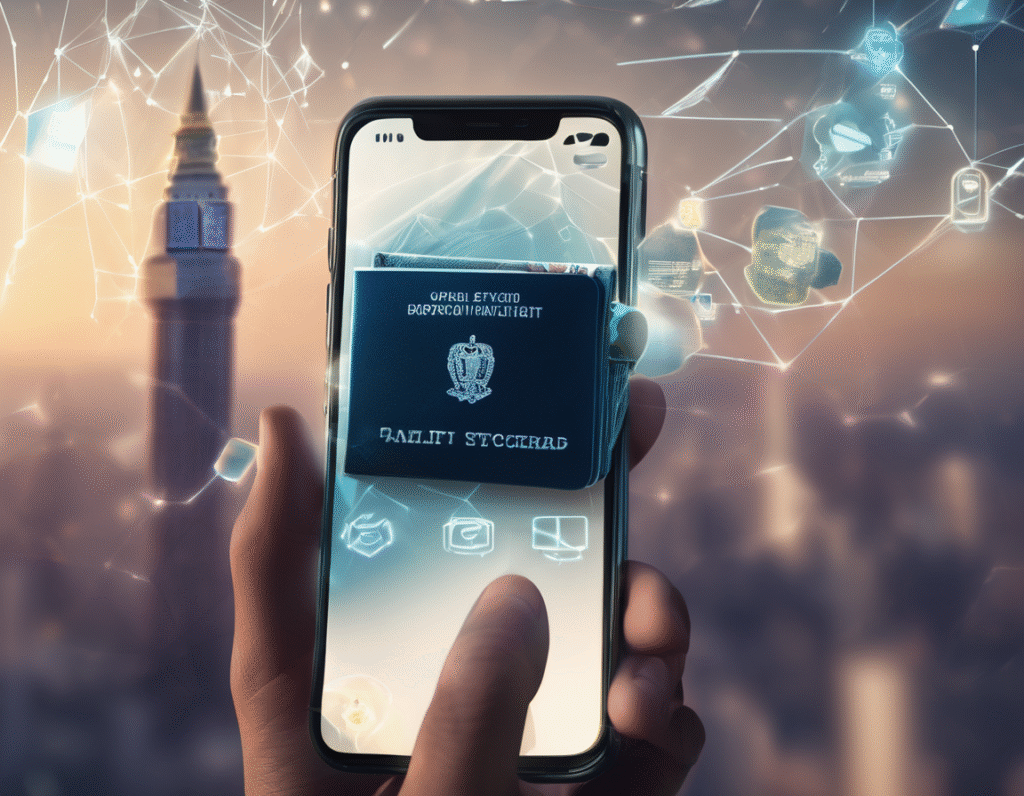
Your Crypto Wallet Is Becoming Your Digital Passport Crypto wallets are undergoing a fundamental transformation. They are no longer simple tools for holding digital currencies. Instead, they are evolving into powerful, portable identity containers and self-custodial hubs. This shift is largely powered by advanced cryptographic techniques like zero-knowledge proofs. The journey began with the basic function of storage. A crypto wallet was essentially a keychain holding the private keys needed to access and manage assets on a blockchain. Its primary job was to facilitate transactions, sending and receiving tokens. While this was revolutionary for financial sovereignty, it was a limited view of the technology’s potential. Today, the definition is expanding rapidly. The wallet is becoming the central point of control for an individual’s digital life. Think of it as a web3 identity manager. It can now securely hold and manage verifiable credentials, such as proof of age, educational degrees, or professional certifications. These credentials are not stored as raw data for everyone to see. Instead, they are cryptographically secured and can be presented in a privacy-preserving manner. This is where zero-knowledge proofs, or ZKPs, become crucial. This technology allows you to prove you possess a certain piece of information or meet a specific requirement without revealing the underlying data. For example, you could prove you are over 21 years old without disclosing your exact birth date. Or you could prove you are a citizen of a particular country without showing your passport number. The wallet uses ZKPs to generate a proof that is verified by a service, confirming your eligibility while keeping your personal details private. This functionality turns the wallet into a self-sovereign identity hub. You are no longer dependent on centralized platforms like social media companies or government portals to prove who you are. Your identity is portable, under your control, and interoperable across different applications and services. This wallet-based identity can be used to log into decentralized applications, access exclusive online communities, or complete know-your-customer procedures for financial services without handing over your entire identity document. Furthermore, the role of the wallet as a self-custodial hub is being reinforced. Self-custody means you, and only you, hold the keys to your assets and data. There is no intermediary bank or company that can freeze your account or seize your funds. This principle is now being applied to your identity and personal information. You have complete ownership and decide what to share, with whom, and for how long. The implications are vast. In the future, applying for a loan could involve your wallet providing a zero-knowledge proof of a sufficient credit score without revealing your entire financial history. Participating in a governance vote for a decentralized organization would require a proof of membership from your wallet. The same wallet that holds your assets could grant you access to a virtual event or a physical location. This evolution marks a significant step towards a more decentralized and user-centric internet. The crypto wallet is shedding its one-dimensional image as a simple piggy bank. It is maturing into a comprehensive tool for managing digital value and identity. It is your key to the emerging decentralized world, a digital passport that you control entirely. This portable identity container empowers individuals with unprecedented privacy and autonomy over their personal information and digital interactions.