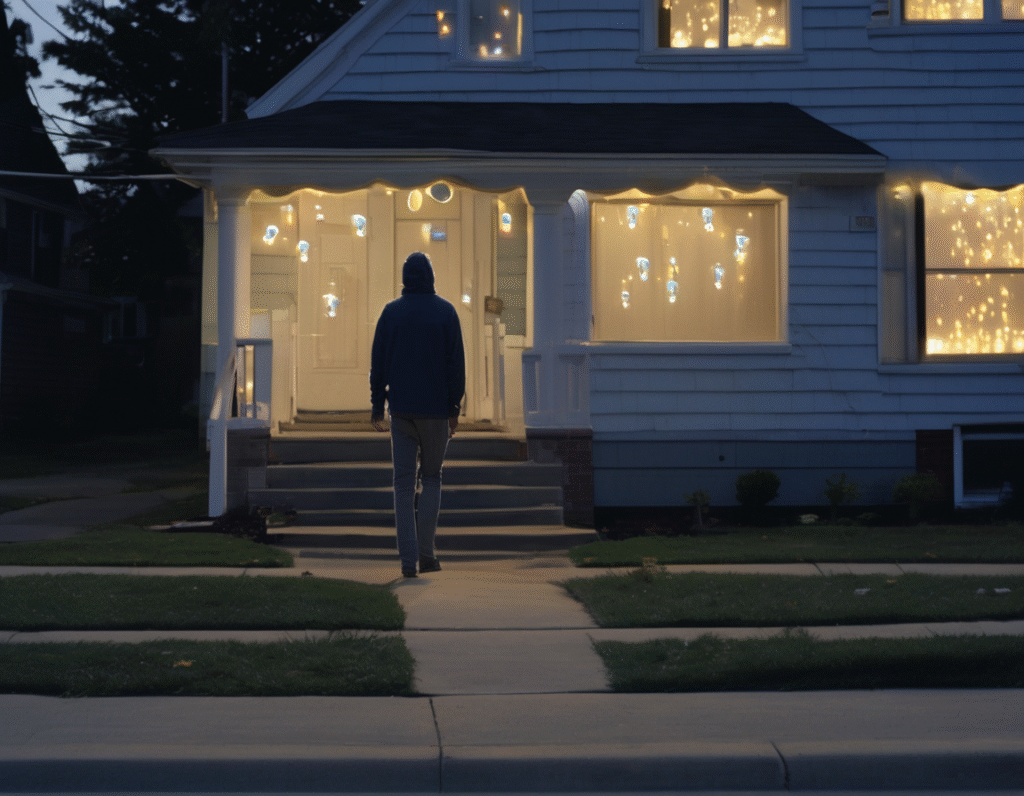
The Silent Panopticon: How Smart Cameras Are Building a Decentralized Surveillance State A quiet but profound shift is occurring on our doorsteps. Millions of internet-connected doorbell cameras, sold as tools for security and convenience, are weaving a dense, always-on surveillance web across neighborhoods. This network, largely unregulated and operated by private companies, is creating what privacy advocates are calling a modern surveillance nightmare, one where the burden falls disproportionately on the most vulnerable. The appeal of these devices is clear: they offer homeowners a sense of control, allowing them to monitor packages and visitors remotely. However, the infrastructure behind them extends far beyond the individual front door. The companies manufacturing these cameras often facilitate partnerships with local police departments, creating direct channels for law enforcement to request footage from vast networks of cameras without a warrant. This turns thousands of private citizens into potential, often unwitting, deputies in a decentralized surveillance apparatus. The implications for privacy and civil liberties are stark. These cameras do not just watch the property of the person who bought them. They continuously record public sidewalks, streets, and the comings and goings of neighbors and passersby. This results in the mass collection of data on daily life, creating permanent records of who visits a home, attends a protest, or simply walks down the street. Critics emphasize that this is not a neutral technology. The deployment and consequences of this surveillance are not felt equally. Over-policed communities and marginalized groups often bear the brunt of increased monitoring. The technology can exacerbate existing biases, leading to more frequent police contact and heightened suspicion based on where people live or how they look. As one advocate bluntly put it, the negative impacts fall earliest and most often on the marginalized. Furthermore, the security promised by these devices has a flip side: significant vulnerabilities. There are frequent reports of cameras being hacked, allowing strangers to spy inside homes or harass residents. The massive troves of collected video data are also a tempting target for cyberattacks, risking the exposure of deeply personal footage. The rise of these camera networks represents a fundamental change in how surveillance operates. It is not a single, state-run camera on a corner, but a for-profit, crowd-sourced model that is normalized as a consumer product. The network grows voluntarily, door by door, under the banner of safety, making its expansion swift and its oversight complex. The debate centers on a critical trade-off. How much ambient privacy are we willing to surrender in exchange for a promise of security, and who gets to define that trade-off? The current path leads toward a society where simple movements are tracked by a patchwork of private lenses, data is stored in corporate clouds, and access is granted through partnerships that bypass traditional checks and balances. The smart home is becoming the watchful home, and the community watch is evolving into a community surveillance network with uncertain rules and uneven consequences.