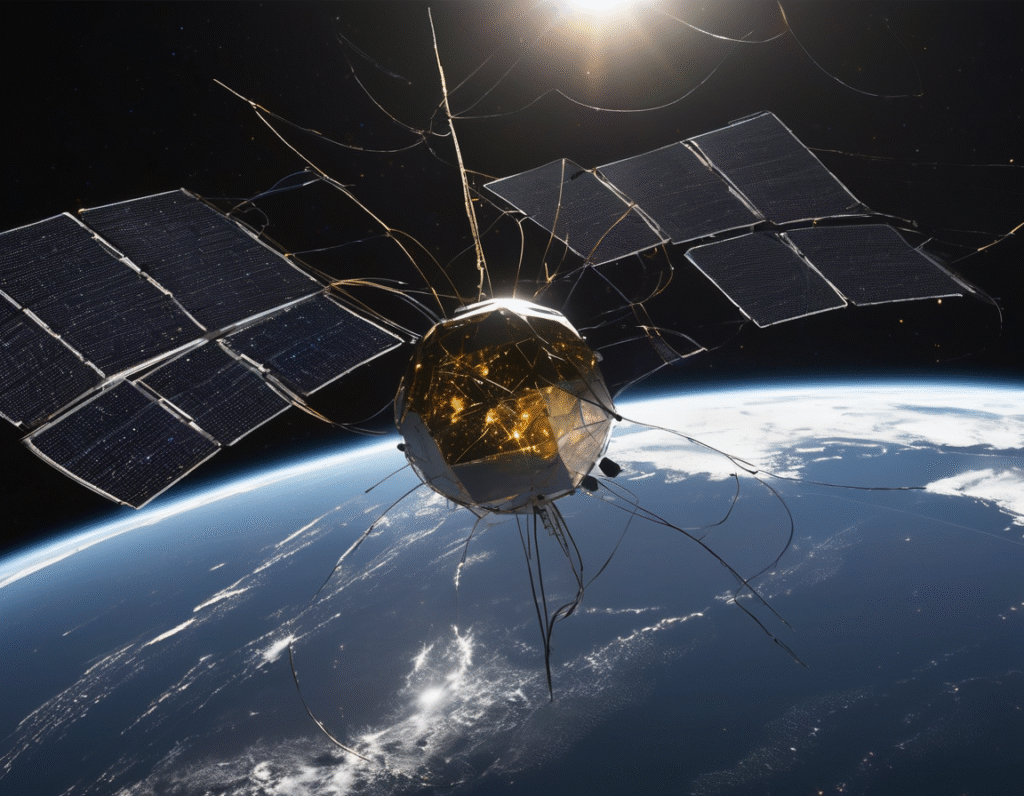
SpaceX Receives FCC Approval to Expand Starlink Constellation with 7,500 More Satellites The Federal Communications Commission has granted SpaceX approval to deploy an additional 7,500 second-generation Starlink satellites. This decision brings the total number of approved Gen2 satellites to 15,000 for the company’s ambitious global internet constellation. The regulatory approval includes permission for SpaceX to upgrade its satellite designs with advanced form factors and cutting-edge technology. The company is also authorized to operate across a wider range of radio frequencies and to add more orbital shells. These enhancements are intended to optimize network coverage and performance globally. This expansion is a significant boost for SpaceX’s satellite fleet, enabling the provision of broadband internet and new mobile connectivity services to more regions around the world. A key capability of the new satellites will be to enable direct-to-cell connectivity outside the United States, while providing supplemental coverage within the US. In the United States, SpaceX has an established partnership with T-Mobile. This collaboration already allows T-Mobile subscribers to use satellite-to-phone services for sending text messages and accessing compatible applications from remote locations without traditional cellular coverage. The companies have stated plans to expand this service in the future to include satellite-based voice calls. The FCC’s latest authorization follows recent actions by SpaceX to adjust its orbital strategy. The company has begun moving thousands of existing satellites from an altitude of 341 miles down to 298 miles. This maneuver is designed to reduce the risk of orbital collisions and address concerns about space debris. SpaceX initially applied for permission to launch nearly 30,000 second-generation Starlink satellites in 2020. The FCC provided a more limited approval for 7,500 satellites in 2022, citing the need to maintain a safe space environment and manage risks associated with orbital debris. The new grant for an additional 7,500 satellites represents the commission’s continued, albeit measured, support for the constellation’s growth. The expansion of the Starlink network underscores the accelerating development of satellite-based internet infrastructure. This infrastructure aims to deliver high-speed connectivity to underserved and remote areas, while also creating new avenues for global mobile communication directly to standard cellular devices.