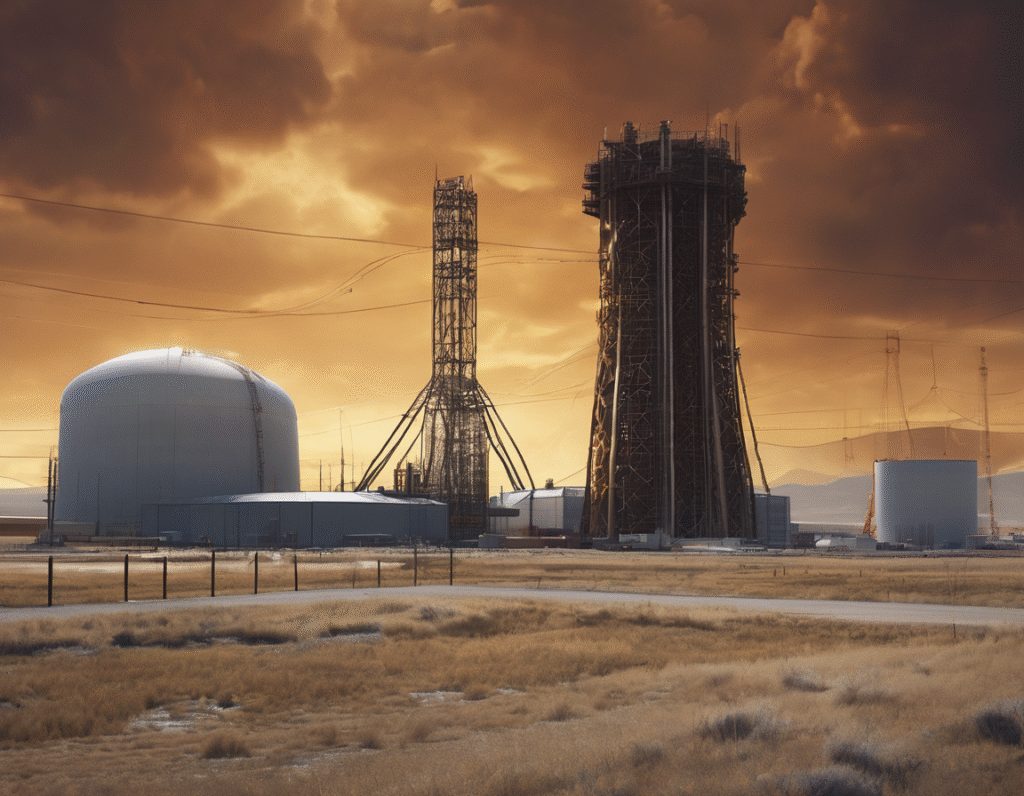
TerraPower, the nuclear energy venture founded by Bill Gates, has received a crucial green light from the Nuclear Regulatory Commission to begin constructing a new reactor in Wyoming. This marks the first approval for a new commercial nuclear reactor in the United States in roughly a decade, signaling a potential resurgence for the industry. The development comes at a time of increasing pressure on the national power grid. The explosive growth of energy-intensive artificial intelligence operations and data centers is creating unprecedented demand for reliable, large-scale electricity. TerraPower and similar companies are positioning next-generation nuclear technology as a vital solution to meet this need without relying on carbon-emitting fossil fuels. Central to TerraPower’s project is its Natrium technology. This design departs from traditional nuclear plants by using liquid sodium instead of water for cooling. The company claims this approach allows for more efficient operation at higher temperatures and enables the integration of a molten salt energy storage system. This storage capability is a key innovation, allowing the plant to temporarily store heat and ramp up electricity output quickly, making it potentially more compatible with intermittent renewable sources like wind and solar. The stated goals are to reduce both construction costs and timelines compared to conventional nuclear facilities. The push for advanced nuclear is fueled by its promise as a steady source of carbon-free baseload power. Advocates argue it is essential for a clean energy transition, providing reliability that weather-dependent renewables currently lack. However, the technology faces significant skepticism. Critics consistently highlight the perennial concerns of nuclear safety and the unresolved long-term challenge of radioactive waste disposal. Others question whether the high financial costs and lengthy development periods undermine its potential as a timely climate solution. Even with regulatory approval secured, TerraPower’s path forward is complex. The estimated cost for the Wyoming demonstration plant is at least four billion dollars. The company must now navigate substantial logistical hurdles, including the unique supply chain for its advanced materials, to meet its target of having the reactor operational by 2031. The success or failure of this high-profile project will be closely watched as a bellwether for the future of advanced nuclear energy in America.