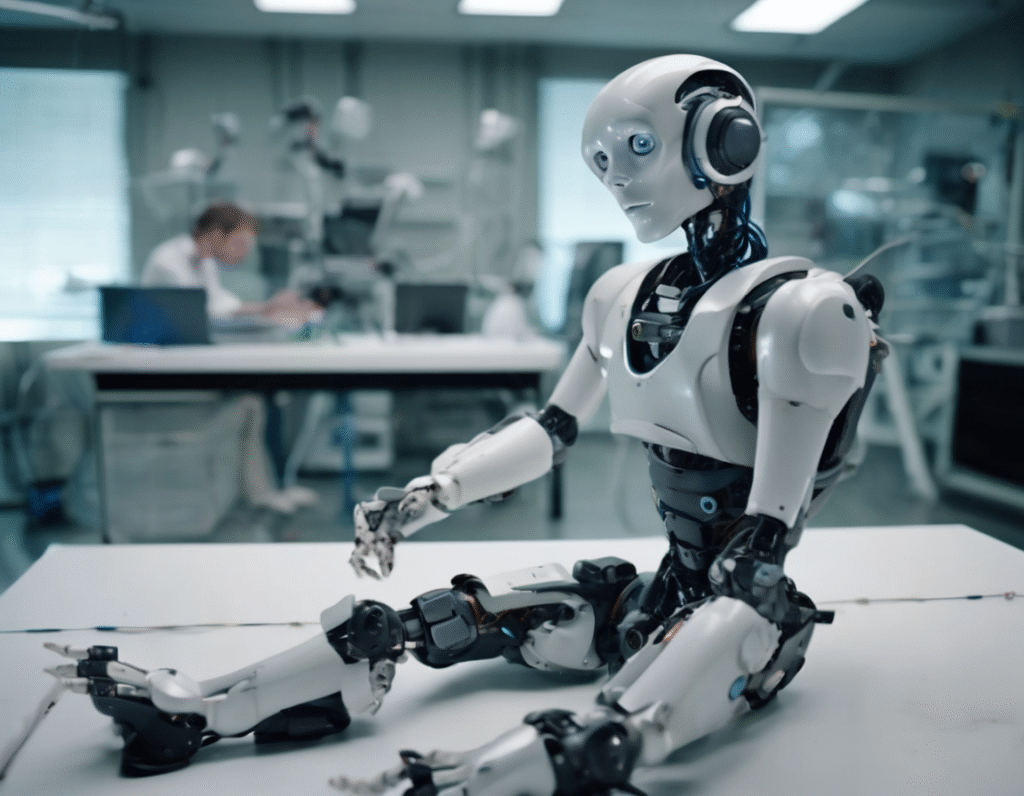
Tesla Optimus Robot Stumbles as Human Operator Removes Headset A recently surfaced video offers a stark and somewhat comical reminder of the current state of humanoid robotics, specifically Tesla’s Optimus project. The clip shows a pivotal moment where the robot’s human teleoperator removes his headset, causing the Optimus unit to immediately lose coordination, stumble, and collapse to the floor. The incident, which many viewers have described as funny and revealing, highlights the fundamental dependency of these advanced prototypes on constant human guidance. Teleoperation is a critical step in development, where a human pilot uses a suit and headset to control the robot’s movements, teaching it through demonstration. The abrupt disconnection in the video serves as a physical metaphor for the technology’s present limitations. Without the live stream of human motion data, the robot cannot maintain even basic balance or posture. This stumble stands in contrast to the highly polished and autonomous demonstrations Tesla often showcases. The company has made ambitious claims about the Optimus robot’s potential future in manufacturing and even domestic settings, framing it as a general-purpose machine capable of learning and adapting. This video, however, underscores the long road ahead to achieve true autonomy. The core challenge lies in moving from teleoperation to self-contained artificial intelligence that can perceive environments, make split-second decisions, and control a complex bipedal body without a human safety net. For observers in the tech and crypto communities, the video is more than just a moment of levity. It is a tangible case study in the volatile cycle of hype versus reality that often surrounds disruptive technologies. The crypto space is intimately familiar with this pattern, where visionary promises and sleek presentations sometimes outpace functional, delivered utility. The Optimus stumble is a physical manifestation of that gap, a reminder that foundational engineering and robust software are harder to perfect than promotional videos might suggest. The event does not invalidate Tesla’s long-term goals, but it does ground expectations. Progress in robotics, like progress in blockchain and decentralized systems, is iterative and often punctuated by public setbacks. Each failure provides crucial data. The fact that Tesla is openly testing in this way, and that such a candid moment was captured, suggests a development process that is still deeply hands-on and experimental. Ultimately, the video of the falling robot is a valuable snapshot of a technology in its adolescence. It highlights both the impressive capability of human-guided systems and the significant hurdles remaining before machines like Optimus can walk on their own, both literally and figuratively. The path to a useful general-purpose robot will likely be built as much on these stumbles as on the successful, scripted demos.