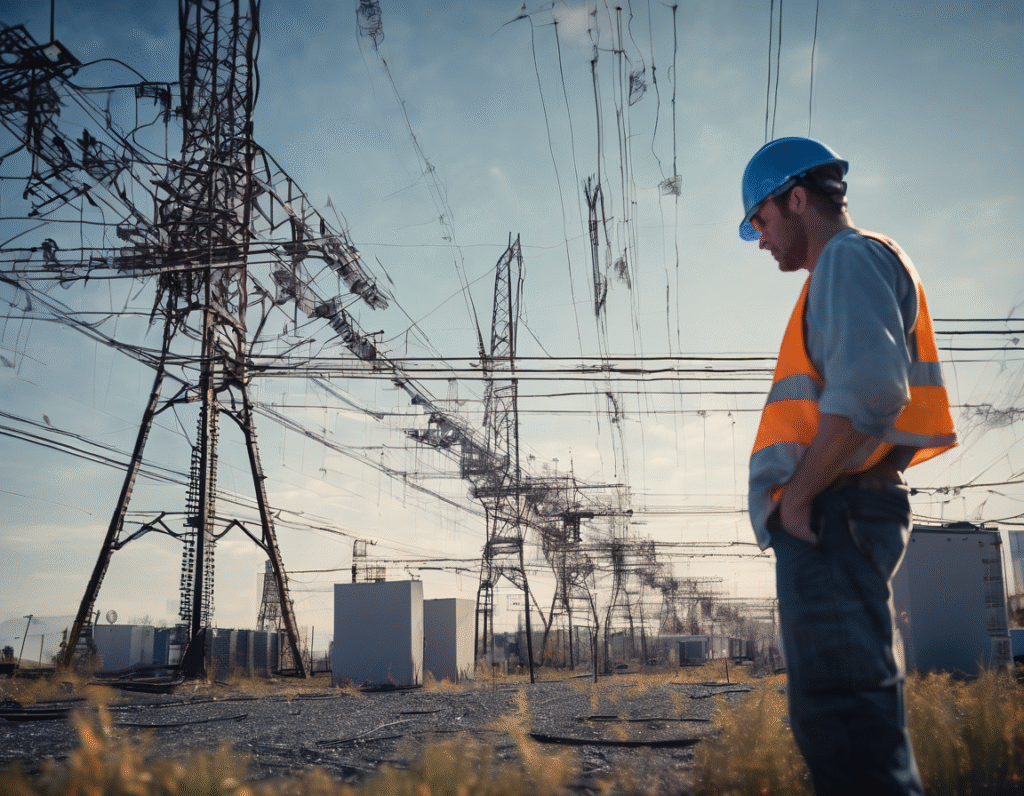
A Surprising Slowdown Hits the US Data Center Boom The engine of the digital world is hitting an unexpected speed bump. Across the United States, a significant portion of the data centers planned for construction this year are facing major setbacks. Industry analysis indicates that nearly half of the facilities slated to open in 2024 are now expected to be either canceled outright or pushed into the future. This slowdown presents a complex puzzle for the tech industry, which has been racing to build the infrastructure needed to support relentless demand. The surge in artificial intelligence, cloud computing, and overall data consumption has created what seemed like an insatiable need for more server space. So what is causing this sudden delay in the very projects meant to meet that demand? Experts point to a confluence of severe logistical and resource-based challenges. The primary bottleneck is a simple but critical one: power. Data centers are colossal consumers of electricity, and securing enough reliable power capacity to run these facilities has become a monumental hurdle. Utility companies in many regions are overwhelmed, with wait times for new power hookups stretching out for years. The grid itself, in some areas, simply cannot support the massive new load without significant and time-consuming upgrades. Beyond power, the physical construction of these complexes is running into its own set of problems. Supply chain issues continue to delay essential components, from specialized cooling systems to the transformers needed for electrical infrastructure. Furthermore, a shortage of skilled labor and rising construction costs are adding pressure to timelines and budgets, making some projects financially unfeasible. The location of these centers is another growing point of contention. As data center campuses grow larger and more power-hungry, they are increasingly meeting resistance from local communities and regulators. Concerns range from the strain on local water resources for cooling to the visual impact and noise, leading to more stringent zoning approvals and potential legal battles that can stall projects indefinitely. This wave of delays and cancellations has immediate ripple effects. For technology companies, especially those betting big on next-generation AI, it could mean constraints on their ability to scale operations. A shortage of available data center space could lead to increased costs for cloud services and potentially slow the rollout of new AI-driven products and services that require immense processing power. The situation underscores a critical reality check for the digital economy. The vision of limitless cloud capacity and instant AI expansion is colliding with the physical limitations of the real world—aging electrical grids, material shortages, and community pushback. The industry is now forced to innovate not just in software, but in how it builds its foundational hardware. Solutions are being explored, from designing more energy-efficient data centers to seeking out locations with abundant power, such as near renewable energy sites or retired fossil fuel plants. Some companies may accelerate plans to use more modular or pre-fabricated construction methods to speed up builds. For now, the data center boom is entering a more complicated phase. The industry’s breakneck growth is being tempered by infrastructure growing pains, setting the stage for a period of strategic recalibration as it seeks to power the future without overloading the present.