
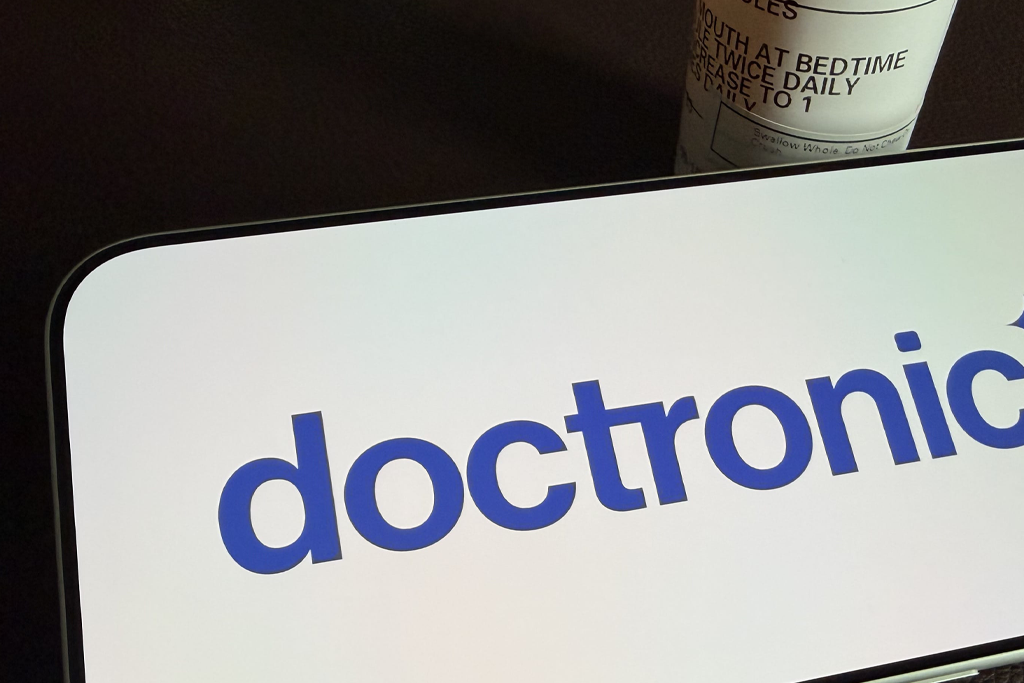
Utah Becomes First State to Grant AI Authority to Renew Drug Prescriptions
Utah has made history by becoming the first state in the United States to grant an artificial intelligence system the authority to autonomously renew certain prescriptions for patients with chronic conditions. The groundbreaking program, announced in January 2026 through a partnership between the Utah Department of Commerce’s Office of Artificial Intelligence Policy and health-tech firm Doctronic, marks a pivotal moment in the evolution of AI Healthcare delivery.
The initiative allows the AI platform to legally participate in medical decision-making for prescription renewals—a move that supporters say could dramatically improve healthcare efficiency while critics raise concerns about patient safety and accountability.
How the Utah AI Prescription Program Works
Under the pilot program, the Doctronic AI system evaluates patients with chronic conditions who need routine prescription renewals. The platform reviews patient records, medication history, and relevant clinical data to determine whether a renewal is appropriate. Patients receive a notification when their prescription has been renewed by the AI, with built-in safeguards requiring human review for any cases that fall outside predefined safety parameters.
“Utah becomes the first state to safely evaluate autonomous AI for prescription renewals for chronic conditions,” the Utah Department of Commerce stated when announcing the partnership. The program operates within a regulatory sandbox framework that allows the state to monitor outcomes and assess safety before potentially expanding the initiative.
The Promise of AI Healthcare in Prescription Management
AI Healthcare applications in prescription management offer significant potential benefits. Medication non-adherence—a major public health issue affecting millions of Americans—often stems from barriers to timely prescription renewals. Patients who cannot reach their physician quickly enough may skip doses or abandon treatment entirely.
By automating routine renewals, AI systems could dramatically reduce these gaps. The Utah program targets patients with stable, chronic conditions such as hypertension, diabetes, and asthma—conditions where medication regimens are well-established and monitoring is primarily about consistency rather than complex clinical judgment.
Proponents argue that AI can process renewal requests 24/7, eliminating the delays and frustration of phone calls, fax machines, and office wait times that frequently plague patients trying to get their medications approved.
Safety Concerns and the Role of Human Oversight
Despite the promise, the announcement has generated substantial debate within the medical community. Healthcare advocacy groups and physician organizations emphasize that AI should support—rather than replace—clinical decision-making, particularly when medications are involved.
The Utah program includes specific limitations designed to address these concerns. The AI system is restricted to renewals for patients with existing prescriptions and stable conditions. Any case involving dosage changes, new symptoms, or potential drug interactions triggers a mandatory referral to a licensed physician for human evaluation.
Medical liability remains another critical question. If an AI-renewed prescription leads to an adverse outcome, determining accountability between the technology provider, prescribing physician, and state regulators presents complex legal challenges that current frameworks do not fully address.
What Utah’s Move Means for the Future of AI Healthcare
Utah’s leadership positions the state as a testing ground for AI-driven healthcare innovation. Other states are watching closely to evaluate outcomes, patient satisfaction rates, and clinical safety data before pursuing similar legislation.
The broader implications extend beyond prescriptions. If autonomous AI prescription renewals prove safe and effective, the model could expand to include diagnostic support, chronic disease monitoring, and other clinical tasks currently requiring human judgment. This represents a significant shift in how healthcare systems conceptualize the role of AI in patient care.
Regulatory frameworks will need to evolve rapidly to keep pace with technological capabilities. Utah’s Office of Artificial Intelligence Policy serves as a template for how states might govern emerging healthcare AI tools—balancing innovation with appropriate safeguards.
Frequently Asked Questions
Is Utah the first state to allow AI to renew prescriptions?
Yes. Utah became the first state in the United States to authorize a pilot program allowing an AI system to autonomously renew certain prescriptions for patients with chronic conditions, through a partnership with Doctronic announced in January 2026.
What conditions are covered under the Utah AI prescription program?
The program focuses on patients with stable, chronic conditions such as hypertension, diabetes, and asthma. Cases requiring dosage adjustments or involving potential drug interactions are referred to human physicians.
What safety measures are in place?
The AI system operates within a regulatory sandbox with built-in safeguards. Any case outside predefined safety parameters triggers mandatory human review. Patient notifications are required for all AI-renewed prescriptions.
How could AI Healthcare improve prescription renewals?
AI systems can process renewal requests 24/7 without the delays of traditional phone calls, fax machines, and office appointments, potentially reducing medication non-adherence and improving patient outcomes.