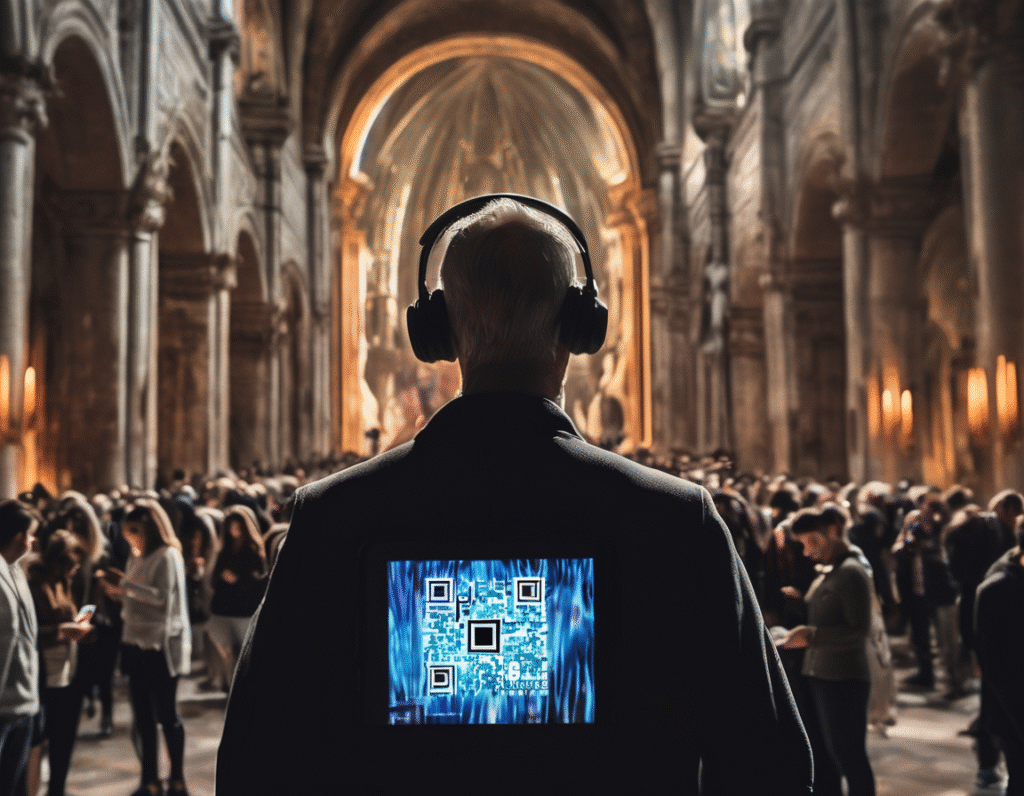
The Vatican Embraces AI for Real-Time Mass Translations The Vatican is stepping into the future of worship by integrating artificial intelligence to break down language barriers. In a move blending ancient tradition with modern technology, the Papal Basilica of Saint Peter is now offering AI-powered live translations of its liturgical services for attendees. This initiative is a collaboration with the language service provider Translated. The system is designed to provide real-time audio and text translations of the Mass and other services into an impressive 60 languages, aiming to make the experience more accessible to the global community of faithful who visit the historic site. Cardinal Mauro Gambetti, the Archpriest of the Papal Basilica, emphasized the project’s alignment with the Church’s universal mission. He stated that by providing a tool to help many understand the words of the liturgy, they serve the core vocation of the Catholic Church. He expressed confidence that human ingenuity, when guided by faith, can become a powerful instrument for fostering communion among people. For visitors, accessing the service is straightforward. By scanning a QR code available at the Basilica, individuals can connect to a web page that delivers the live translations without needing to download a dedicated application. This offers both an audio stream and a written transcript in the chosen language. The technology powering this service is based on an AI translation tool named Lara, which was launched by Translated in 2024. The company asserts that Lara’s capabilities are informed by the expertise and sensitivity of over 500,000 native-speaking professional translators, suggesting an effort to maintain nuance and contextual accuracy in the religious translations. This development represents a significant practical application of AI within a major religious institution. It addresses the perennial challenge of multilingual communication in a place that attracts pilgrims and tourists from every corner of the world. The Vatican’s adoption of this technology signals a willingness to leverage new tools to enhance spiritual engagement and inclusivity, ensuring that language is no longer a barrier to participation in its sacred ceremonies.