
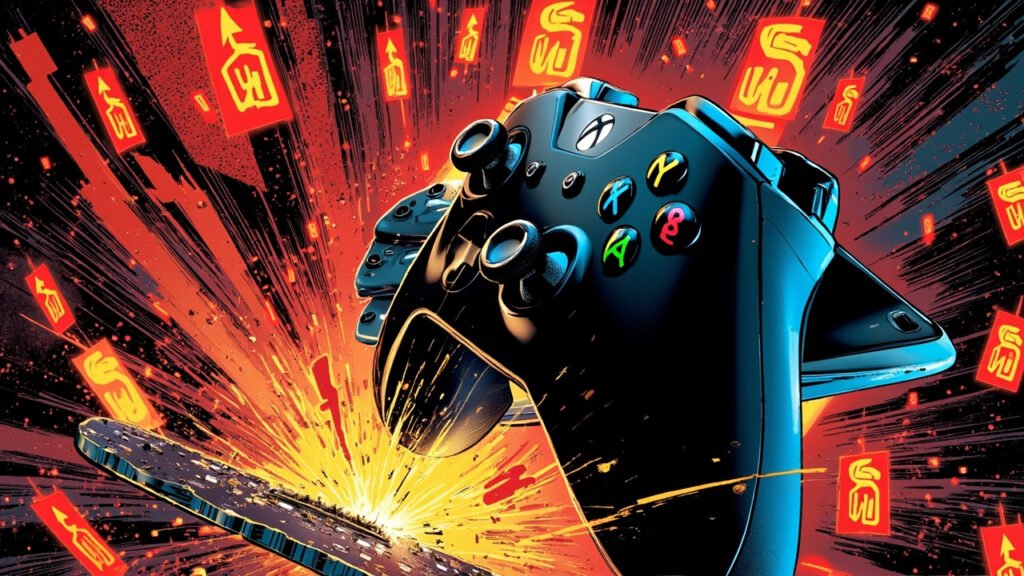
Apple and Microsoft have begun raising prices across their consumer hardware lines by hundreds of dollars, with the increases directly attributed to a sustained surge in advanced chip costs that has caught even the largest buyers in the technology industry. The moves, disclosed in pricing updates at major retailers over the past week, mark the most aggressive pass-through of component inflation the two companies have attempted in a decade and signal a new era of hardware pricing pressure for the broader PC and console market.
Apple’s price increases hit the MacBook Pro and the high-end iMac configurations first, with several SKUs rising between 200 and 400 dollars compared with their launch prices. Microsoft’s increases are concentrated in the Xbox console family, where the disc-edition Series X has crossed the 600 dollar mark in the United States for the first time, and a special-edition controller now retails above 90 dollars. Analysts at Wedbush and Morgan Stanley have confirmed the increases are flowing through retail channels rather than being absorbed by channel partners, suggesting the full sticker shock is being passed to consumers.
What is driving chip costs higher
Three forces are colliding to push chip costs to a level not seen since the early 2020s. First, the leading-edge fab capacity at TSMC, Samsung, and Intel remains structurally tight, with the most advanced nodes operating near full utilization for AI accelerators, premium smartphone silicon, and now the high-bandwidth memory that ships alongside them. Second, the cost of extreme ultraviolet lithography equipment, packaging substrates, and high-bandwidth memory has continued to rise as suppliers consolidate. Third, the AI build-out by hyperscalers has absorbed a meaningful share of leading-edge wafer output, tightening supply for everyone else.
Industry analysts estimate that the bill of materials for a high-end laptop or a current-generation console has risen between 18 and 25 percent over the past 18 months, with the most pronounced increases in DRAM, NAND, and the custom application processors that sit at the heart of premium devices. Apple and Microsoft are not the only buyers affected. Sony is widely expected to follow with a PlayStation price increase before the holiday season, and several PC OEMs have already pushed mid-range laptop prices above their 2025 levels.
The chips behind the price hikes
- DRAM contract prices have roughly doubled since the start of 2025, with high-bandwidth memory up even more sharply.
- Advanced packaging capacity, including CoWoS and similar technologies, remains oversubscribed through at least 2027.
- Cutting-edge wafer costs at the 3-nanometer node and below have climbed as yields mature and per-wafer pricing reflects capital expenditure.
- AI accelerator demand from hyperscalers is consuming wafer output that would historically have served consumer devices.
“This is the first time in a decade that the chip cycle and the consumer cycle are pulling in the same direction. The result is sustained, not temporary, hardware inflation.” — A senior supply chain executive at a top-five PC OEM, who asked not to be named
What consumers and enterprises will pay
For consumers, the practical effect is a 5 to 10 percent increase in the price of a new premium laptop, console, or smartphone compared with a year ago, with the largest increases concentrated at the high end. Entry-level devices have so far been more insulated, but several OEMs have warned that price compression at the bottom of the market is forcing them to either absorb the cost or trim features. For enterprises, refresh cycles are getting longer, and IT departments are reporting a noticeable shift toward three- and four-year refresh intervals for hardware that historically turned over every two to three years.
The pricing pressure is also reshaping how the big three console makers position their products. Microsoft’s Xbox strategy is now increasingly tied to its Game Pass subscription and cloud gaming services, which monetize existing hardware rather than depend on new console sales. Sony’s PlayStation division has hinted at a similar pivot for its next generation, and Nintendo, which sits at a lower price point, is being closely watched as a bellwether for whether the broader market can hold the line on consumer affordability.
The outlook for the rest of 2026
Industry consensus is that the chip supply squeeze will persist into 2027, with relief contingent on new fab capacity coming online from TSMC, Samsung, and Intel. Until then, hardware makers are likely to continue passing costs through to consumers where they can, and absorbing them where competitive pressure makes that impossible. The longer term question is whether AI demand for advanced chips normalizes before consumer budgets break. If the answer is yes, hardware prices could ease by late 2027. If the answer is no, the era of cheap consumer electronics that defined the past decade may already be over, and the price tags in stores this week may end up looking like the new normal rather than a temporary shock.