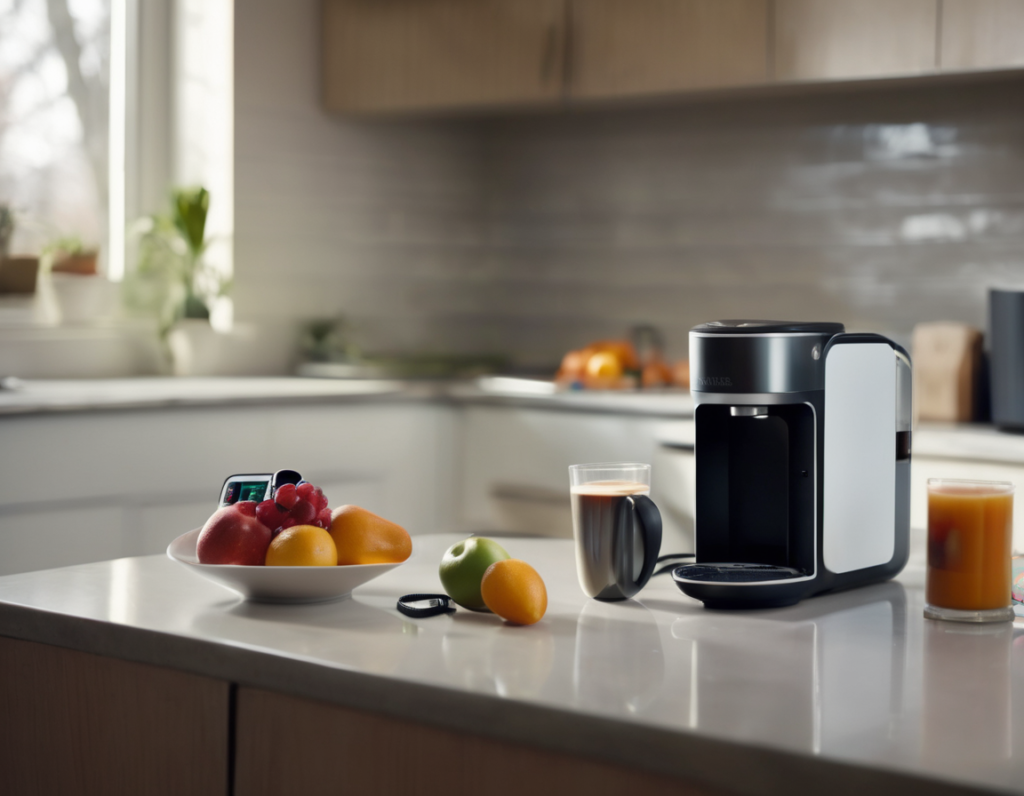
Google is opening the door for more manufacturers to build smart devices powered by its Gemini AI. This move is part of a broader effort to embed artificial intelligence into everyday gadgets, from speakers to home appliances. The company is providing new tools and software kits that simplify the process for hardware makers. Previously, integrating advanced AI like Gemini required significant technical expertise and resources. Now, manufacturers can tap into Google’s AI models with less effort, speeding up development timelines. This shift is expected to lead to a wave of new products. Instead of just phones and tablets, we may soon see kitchen gadgets, fitness equipment, and smart home hubs that understand voice commands, offer personalized recommendations, and handle complex tasks. For example, a coffee maker could learn your morning routine, or a security camera could identify specific pets or packages. The key for manufacturers is reduced complexity. Google is offering pre-built modules and APIs that handle the heavy lifting of AI processing. This means companies can focus on design and hardware, while Google manages the intelligence behind the scenes. For the crypto and blockchain space, this expansion is noteworthy. As more devices become AI-native, they will generate and consume vast amounts of data. This creates new opportunities for decentralized networks to verify, store, and manage that data securely. Imagine a smart speaker that runs AI locally but records purchase data on a blockchain for transparent supply chains. Or a fitness tracker that uses AI coaching while storing health metrics on a decentralized identity system. The move also hints at future possibilities for tokenized device access or paid AI microservices. A smart device could automatically pay for premium AI features using cryptocurrency micropayments, all without a middleman. In short, Google is democratizing AI hardware. The result will be a smarter, more connected world, and the crypto industry should prepare to build the infrastructure that these new devices will rely on.