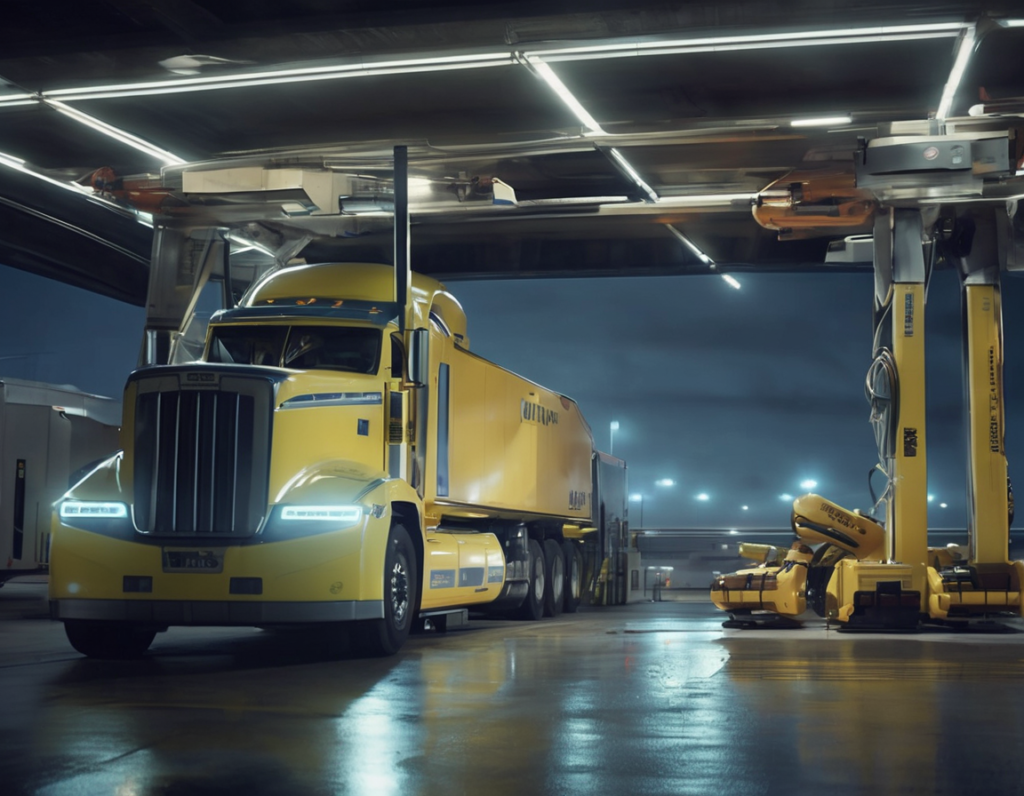
Octopus and CATL Join Forces to Bring Battery Swapping for Heavy Trucks Across Europe Octopus Energy and CATL, the world’s largest battery maker, have announced a partnership to build a network of battery swap stations specifically for heavy trucks across Europe. This move aims to solve a major hurdle for electric freight: long charging times. Instead of waiting hours for a massive truck battery to recharge, drivers will be able to swap a drained battery for a full one in minutes. The plan targets the biggest source of road transport emissions—heavy-duty trucks. These vehicles often run continuously and cover long distances, making traditional plug-in charging impractical. By standardizing battery swapping, Octopus and CATL hope to reduce downtime and make electric trucks as convenient as diesel models. The stations will be designed for high-volume use, with automated systems that handle the heavy batteries quickly. Octopus Energy brings its expertise in energy management and renewable power to the deal. The company already supplies green electricity to millions of homes and businesses. CATL supplies the battery technology, including its latest generation of lithium iron phosphate packs known for durability and safety. The partnership will likely start in key logistics hubs, such as ports and major highway corridors, before expanding. The initiative is a significant boost for the European trucking industry, which faces pressure to decarbonize. Many truck makers offer electric models, but infrastructure remains scarce. Battery swapping could bypass grid connection delays that slow down the deployment of fast chargers. It also allows fleet operators to pay for energy per swap rather than investing in their own charging equipment. Critics note that battery swapping requires standardizing battery sizes across different truck brands, which has been a challenge for smaller vehicles. However, CATL’s market power and Octopus’s operational scale may persuade manufacturers to adopt a common format. If successful, this network could become the template for heavy transport electrification in other regions. The first stations are expected to open within the next two years, with a goal of hundreds of locations by the decade’s end. For truckers, the swap stations mean less time idling and more time delivering cargo. For the planet, it means faster adoption of zero-emission freight. Octopus and CATL are betting that speed, not waiting time, is the key to cleaning up the road.