
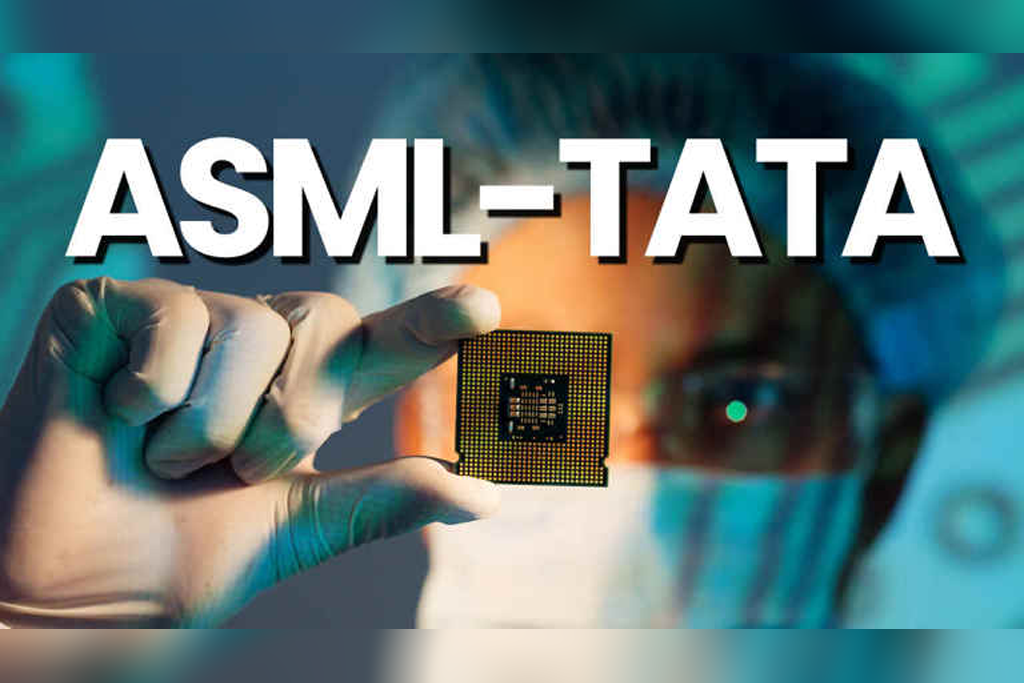
Tata Group’s strategic partnership with ASML, the Dutch semiconductor equipment giant, represents a significant step forward in India’s ambitions to establish itself as a major player in the global semiconductor industry. The deal could accelerate India’s journey toward semiconductor self-sufficiency.
Partnership Overview
The collaboration between Tata Electronics and ASML focuses on bringing advanced semiconductor manufacturing capabilities to India. This partnership combines Tata’s manufacturing expertise with ASML’s leading-edge lithography technology, which is essential for producing cutting-edge chips.
Key Aspects of the Deal
- Tata Electronics partnering with ASML for semiconductor manufacturing
- Focus on advanced chip production technology
- Part of India’s broader semiconductor self-sufficiency goals
- Potential to create advanced manufacturing facilities in India
“This partnership marks a transformative moment for India’s semiconductor industry and reinforces our commitment to building world-class technology manufacturing capabilities,” said Tata Group leadership.
Strategic Significance
The global semiconductor shortage exposed vulnerabilities in supply chains, prompting many countries to invest in domestic chip manufacturing. India has joined this race, with the government offering substantial incentives to attract semiconductor investment. The Tata-ASML partnership aligns with these national objectives.
India’s Semiconductor Journey
India’s semiconductor market has been growing rapidly, driven by increasing demand for electronics and the country’s position as a major chip design hub. However, domestic manufacturing has been limited, making India largely dependent on imports for advanced semiconductors.
This partnership could help bridge that gap by establishing production capabilities that meet global standards, potentially positioning India as a viable alternative to existing manufacturing centers in Taiwan, South Korea, and the United States.
Global Context
The semiconductor industry is undergoing significant geographic diversification as companies and governments seek to reduce supply chain risks. The Tata-ASML partnership reflects this trend while also representing a vote of confidence in India’s ability to support advanced manufacturing operations.
As the partnership develops, it could have far-reaching implications for India’s technology sector, potentially attracting related industries and talent to the country while reducing dependence on imported chips for critical applications.