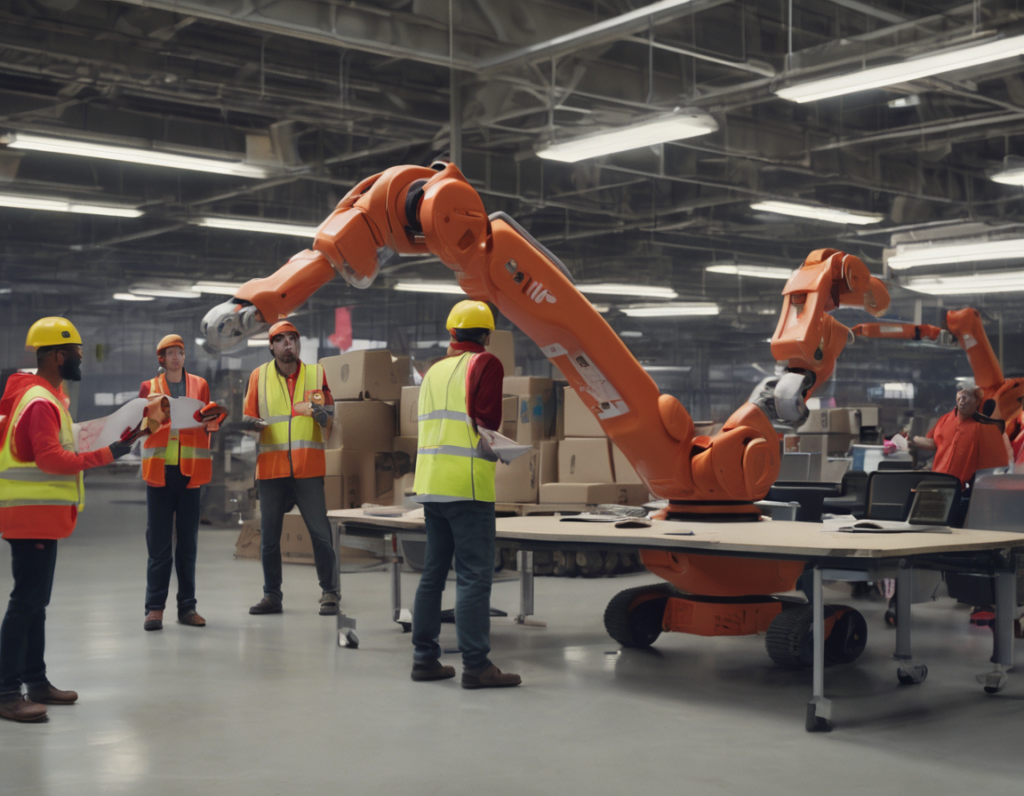
Unions Attack AI for Menacing Human Jobs Labor unions are taking a stand against artificial intelligence, warning that the rapid adoption of AI systems threatens to displace millions of workers across industries. In a bold statement, union leaders declared that some within the labor movement remain old-fashioned and still believe in the value of human beings over machines. Their critique targets the unchecked integration of AI into workplaces, particularly in fields like customer service, manufacturing, logistics, and even white-collar roles such as coding and legal research. The unions argue that corporations are rushing to replace human labor without sufficient safety nets or worker protections, creating a future where profits are prioritized over people. This pushback is not just about preserving jobs but also about asserting human dignity. Union representatives point out that AI systems often fail to replicate the empathy, intuition, and ethical judgment that human workers bring to complex tasks. They worry that as AI tools grow more capable, the human element in decision-making will be sidelined, leading to dehumanized workplaces and greater economic inequality. Some unions are already negotiating contracts that limit AI use or require worker input before deployment. Others are lobbying for government regulations that would mandate retraining programs, income support, or restrictions on replacing certain roles with automation. The debate around AI and labor is heating up, especially as presidential candidates weigh in. High-profile figures like Bernie Sanders have voiced support for union efforts, arguing that automation must benefit workers, not just corporate shareholders. The core message from the unions is clear: innovation should not come at the cost of worker livelihoods or human connection. As AI continues to advance, the struggle between efficiency and human-centered work will only intensify, forcing policymakers and companies to decide what kind of future they really want to build. For now, unions are drawing a line in the sand, insisting that technology should serve people, not replace them.