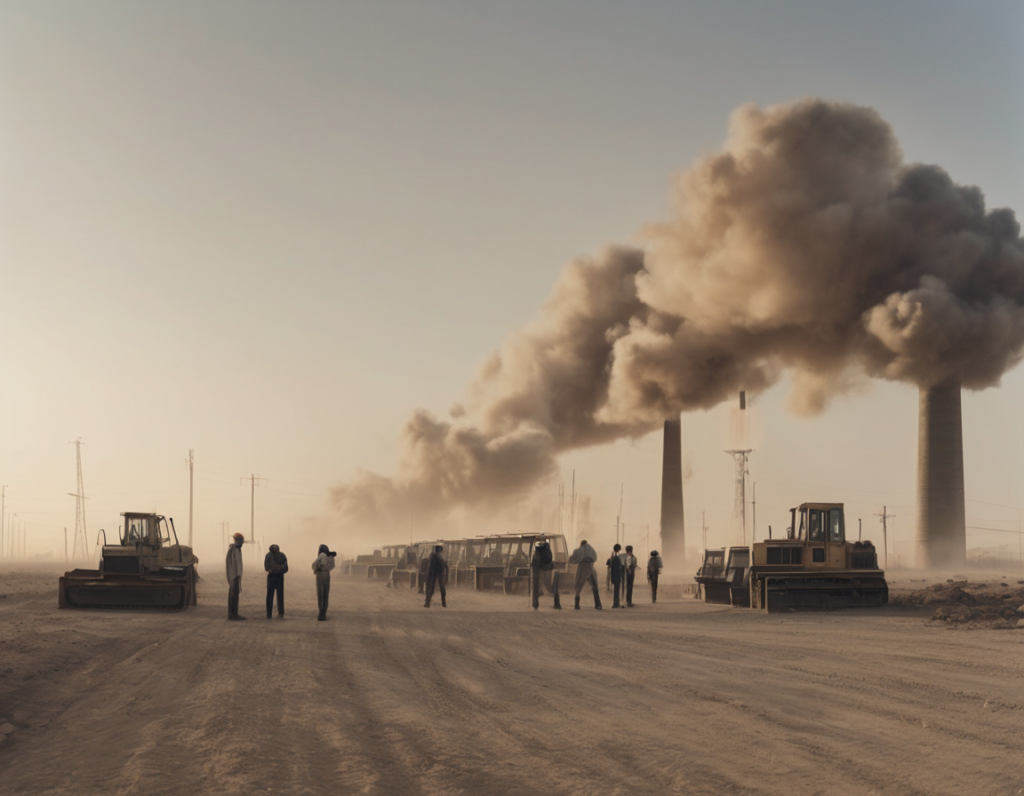
Residents of a small Utah community are sounding the alarm over a massive data center project that they say was approved in secrecy, with no public input or government oversight. The facility, which is being built by a company called EdgeConneX, is planned to be twice the size of Manhattan and will house thousands of computer servers for cryptocurrency mining and artificial intelligence data processing. Neighbors say they first learned of the project when construction crews began clearing land near their homes. They describe feeling blindsided by the scale of the development, which they believe will strain local resources and harm the environment. One resident said it felt like the whole deal was done in the dark, with backroom promises made without transparency or any accountability to the community. Locals worry about the data center’s massive power consumption, which will require dedicated substations and could drive up electricity costs for everyone. They also fear water usage for cooling, as the area is already experiencing drought conditions. The site will also generate significant noise pollution from fans and backup generators, running 24 hours a day. Concerns extend to the secrecy around the crypto mining aspect. Many residents do not understand how cryptocurrency mining works or why a facility this enormous is needed. They question what data will be stored and who will have access to it, raising privacy and security alarms. Despite the community’s protests, local officials appear to have fast-tracked permits for the project. The county commission did not hold public hearings before approval, citing economic development benefits and job creation. Critics argue that the officials were swayed by promises of tax revenue and campaign contributions. This is not an isolated case. Across the United States, similar mega data centers are popping up in rural areas, often with little to no public debate. Cryptocurrency miners and AI firms seek cheap land and electricity, while communities are left to deal with the consequences. The Utah project highlights a growing tension between technological progress and local control. While data centers are essential for blockchain networks and artificial intelligence, their environmental and social impacts are rarely discussed openly. Residents in this community say they will continue to fight for transparency and accountability, but fear their quiet town has already been transformed without their consent. For now, the data center is being built. But the controversy serves as a warning to other communities: if you do not pay attention to what is being approved in your backyard, you might wake up to a neighbor twice the size of Manhattan.