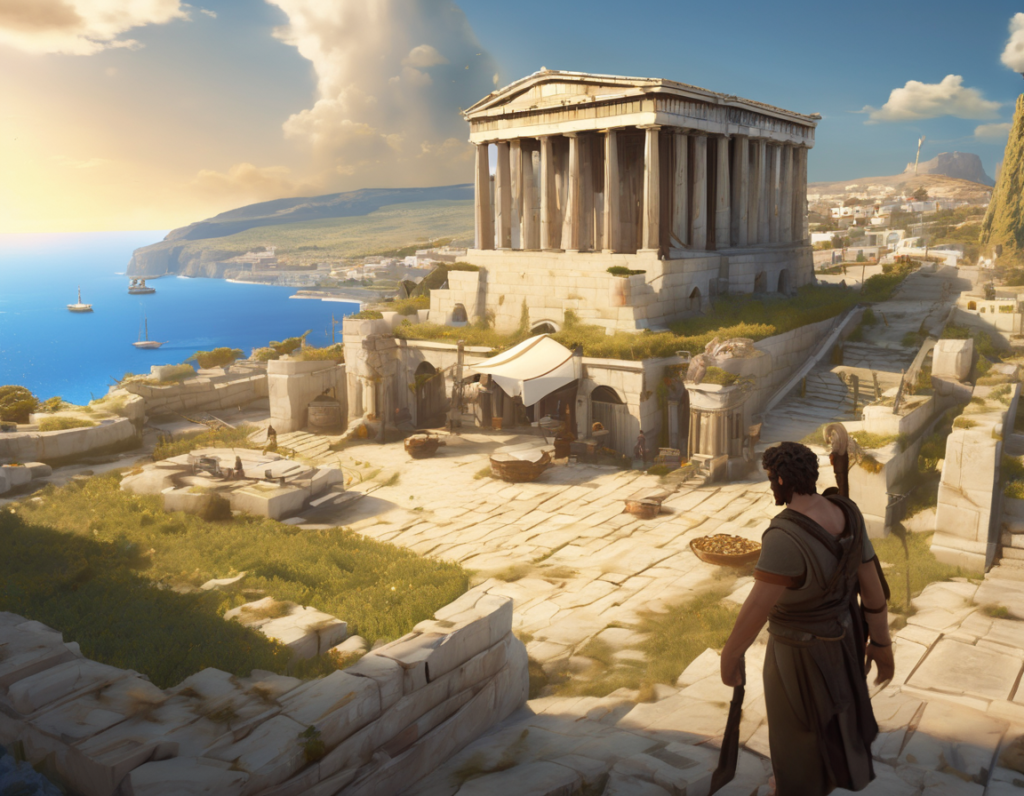
If you remember Zeus: Master of Olympus, you want to watch this game closely. For those who spent hours building sprawling Greek cities, managing supply chains, and pleasing fickle gods in the classic city-builder Zeus: Master of Olympus, a new title is aiming for a similar throne. This upcoming game, currently generating buzz in the crypto and simulation gaming space, blends the deep city management of the 2000s classic with modern blockchain ownership. The core gameplay will feel familiar to veterans. You start with a small settlement and must guide it to a metropolis. You will construct homes, workshops, and temples. You will manage the flow of fleece, olive oil, and marble. The satisfaction of a perfectly balanced trade route or a glorious monument will be a primary focus. However, this game adds a layer of true ownership. Resources are not just numbers; they are real assets. Your most perfectly crafted statues or rare resources can be traded on an open marketplace. This means that your in-game skill directly translates to external value. But the real hook for Zeus fans is the divine intervention system. In the original, gods like Zeus, Poseidon, and Athena could bless or smite your city. In this new project, player actions directly influence divine favor in a more dynamic and permanent way. A player who hoards grain might anger Demeter, impacting harvests for an entire region. A player who defeats a monster might earn a blessing that increases a stat for all allies. This creates a living, breathing world where your reputation with the pantheon is a major strategic element, not just a simple meter to fill. The developers promise a deep tech tree and multiple victory paths. You can strive for a cultural victory by building the most impressive wonder. You can achieve a military victory by conquering rivals. Or you can aim for a trade victory by establishing monopolies on mythical goods. All of these paths are now backed by a transparent ledger, ensuring fairness and permanence. For the nostalgic strategy player, this might be the bridge between their gaming past and a decentralized future. It is not a simple clone. It is a reimagining of a classic, where every brick and every prayer has a real-world stake. Keep this one on your radar if you ever cursed the game for not having enough philosophy books for your academy.